

Over the past few years, Dark Ambient producer Dead Melodies has been extremely active by creating one high-caliber album after another. Whether recording solo spectacles or excelling on collaborative musical endeavors, the consistency has paid off by making him one of the most respected Dark Ambient artists as of late. I recently had the pleasure of interviewing the mastermind behind the project and learned about its beginnings, lineage and what keeps the creative processes flowing.
1. I’d like to thank you for this interview opportunity and for creating some of the most impressive Dark Ambient releases in recent years. How was Dead Melodies formed and did it rise out of the ashes of another project?
Thanks for the kind words and for the opportunity to discuss my work.
Dead Melodies was indeed a rise from the ashes project, borne out of the need to rebrand after my old moniker, Indigolab became saturated and lost its direction. I have this tendency to dabble in many genres and after 10 years of covering a lot of ground from dub to folk to industrial, electronica and much more the project had totally lost its identity to me, so I wanted to start afresh with a newly focussed output. The initial premise for Dead Melodies was and still is at its core, storytelling through ambient music with dark ambient naturally being the perfect musical playground for this conceptual approach. Inevitably my cross-genre tendencies have crept their way into Dead Melodies, but something that’s always been essential to me for pushing art forward is fusion, so I think I just have to roll with the variety of styles in my head while ensuring each deviation works as a fully developed concept album.
2. For some artists, it seemed like 2020 (the year of COVID) created many constraints but for Dead Melodies, the project was extremely busy, releasing 3 albums (1 solo and 2 collaboration). Where did all of this creativity come from?
What an awful time I hope we’re seeing the other side of now. I think many artists found solace in music during the lockdowns, and I’m no exception there with the extra time hidden away from the world and the angst of what might be pathing the way for a lot of new ideas and more importantly the thinking space to develop them. The first two albums in 2020, ‘Anthropocene’ and ‘The Masterplan’ were actually recorded in 2019 as I’m usually a good while ahead of actual releases so it was in fact ‘Crier’s Bane’ and ‘Fabled Machines of Old’ that were I guess my real ‘lockdown albums’ feeding off all the strangeness of 2020.
3. The album ‘Anthropocene’ was in my Top 10 Dark Ambient albums of 2020. How did this collaboration effort with Zenjungle come about?
Thank you, I was incredibly proud of this album. Phil Gardelis of Zenjungle and I have been friends since 2011 in the early days of Soundcloud after sharing thoughts on each other’s music and chatting in general. I remember being totally blown away the first time I heard his music and trying to get my head around the unreal sounds he creates with a saxophone. Long before ‘Anthropocene’ we worked on several tracks together as well remixing each other’s music with the results being up there with some of my personal favourite collaborations. I’d always wanted to see if we could put out a proper collaborative album so I was really pleased when the opportunity presented itself.
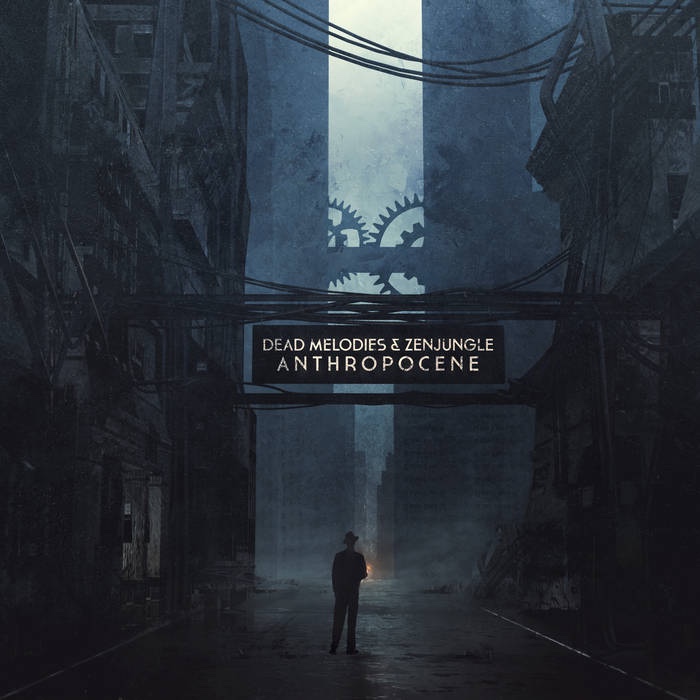
4. Was there a concept in mind for the album or did you guys pass around ideas until a solid foundation was formed?
It started with me buying a new bass guitar and exploring its sonic capabilities using an ebow and a few other experimental approaches. As soon as I realised what I was working on was starting to tap into a dark noir field I ran the early drafts by Phil to see if he wanted to add some saxophone or anything else and the collaboration was born. Initially it was more just the sound that was the underlying theme, but as we started refining the arrangements the underbelly of the city concept fell into place, which of course was pushed to the next level once Simon Heath constructed the concept artwork to go with it. Most of the tracks came together quite relatively quickly, whereas the spralling 17 minutes of ‘The Lowering’ ended up being a huge feat to complete. I think it turned out well, or at least it’s my personal favourite from the album, if only for the effort we both threw at it and for bringing a slight variation to the instrumentation of the rest of the album.
5. ‘Crier’s Bane’ was also a solid masterpiece with an exceptional concept and sound. How was it working with Beyond The Ghost and will you guys be releasing anymore collaborations in the future?
Much like with Phil, Pierre Laplace of Beyond The Ghost is another friend from the early Soundcloud days – they truly were great days to be a musician self-publishing online with a community spirit I’ve yet to witness since. Nevertheless, Pierre and I made friends back then talking about music and I also remixed something for his dark folk band of the time, The Sandman’s Orchestra. We got talking again when he branched out into dark ambient and soon after he joined Cryo Chamber putting out some incredible albums. He’s a very talented guy and being a multi-instrumentalist like myself, we both contributed a whole range of different elements to the album. I think this collaboration worked so well as we often lend a critical ear and feedback on each other’s works in progress, speaking frankly about strengths and weaknesses in compositions and mixes which set a great foundation for working together. As to whether we’ll collaborate again, we’ve both said a follow up would be fun.
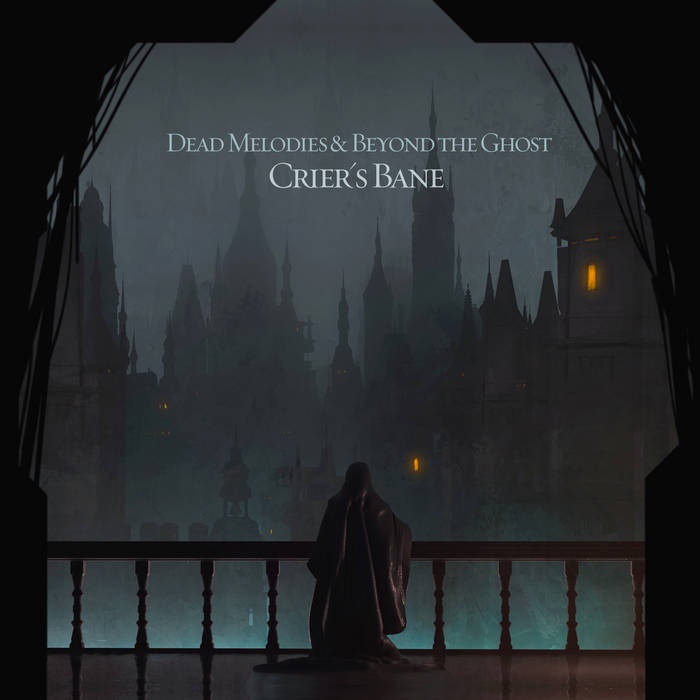
6. Did you go into that project with a Victorian-era theme in mind or did it culminate once the musical process started flowing?
The initial idea behind this was to craft a dark ambient album that carried the atmosphere and mood like that of Tom Waits’ Victorian/Vaudeville styled world. I’ve long been a fan of Waits’ music and it struck me one day there was some real mileage in the atmospherics behind his music that I really wanted to explore on a more ambient level. I started off playing around with a mic’d up melodica trying to simulate an accordion squeezebox, which worked surprisingly well with the right effects and layered with some field recordings I’d taken at a Christmas market the year before. Once I added some acoustic guitar ambience the foundations of the sound I’d envisioned was starting to take shape. Up until a few tracks in it was a solo venture, but I felt the vision needed a wider viewpoint to fully realise the world so knowing Pierre also had a wide taste in music I pitched the idea to him. Needless to say, he was on board and ideas and concepts bounced back and forth, with us both bringing our interpretation of English and French 19th century themes to the table – ultimately it ended up being set in the iconic and murderous East End of London with accounts of Whitechapel, Workhouses and Jack the Ripper inspiring some of the tracks. Once this was set in stone I had some fun writing the narrative, picturing the story through the eyes of the town crier, who went on to become the album’s namesake.
7. On 2020’s ‘The Masterplan’ it seems like you went for a more desolate & ominous sound instead of the space ambient approach that was on 2019’s ‘Primal Destination’. Was there a particular influence behind this shift in direction?
This always feels like a strange album in my catalogue. I’m very happy how it turned out, but it did feel almost miraculous that the original idea actually turned into something audibly cohesive. There were two key drivers in the sound when I started out; the first was an unpicking of the twisted technical elements of Drum & Bass and underground UK techno (my first musical home, producing and DJing in the 90s). I wanted to capture some of the bass and tech inspired sounds and reform into an ambient setting. The second element was using a technique, which I call guitar tapping, though it might have a proper name; essentially using pens, sticks etc to percussively play the strings like a dulcimer. I used a few different guitars, but the main instrument used throughout the album was a battered old mandolin which gives a really unusual Eastern tone when mic’d up and tapped and scraped. As the recordings progressed in production, with some work I managed to get the two elements to work together then with some synth layering the sound of the album came to be. To get back to the original question though, I think the influence was ultimately just the challenge of trying something different.

8. ‘The Masterplan’ seems to be themed around emptiness and corruption leading to an apocalyptic demise. Was the the concept you had in mind for the music?
Yes, exactly that. The technical aspect mentioned previously felt very final and apocalyptic once paired with the sorrowful guitars and warm drones so I pitched the narrative this way to compliment that mood. I did actually feel quite self-conscious when it was released in April 2020. The pandemic had taken its grip with the whole world feeling like the end was upon us and I’m releasing an album with the fictitious demise of humankind at its heart. Just felt a bit wrong, though I had written the music and narrative a good six months earlier and it was pretty well received, so maybe it tapped into the general morose mood of the time.
9. Do you approach your music and songwriting construct around a story or concept idea, or is it the other way around.
It varies to be honest. Sometimes I start recording with a clear vision in mind setting myself the challenge of capturing a sound, style or mood but equally as often I just hit record, follow the grain and shape the concept around the sound. My most recent album, ‘Fabled Machines of Old’ started with the sound and the story/concept came as the album developed, whereas my Cryo Chamber debut, ‘Legends of the Wood’ was a concept I had more or less fully mapped out way before I even started recording, all inspired by an old forest I used to knock about in as a kid where it was always rumoured there were some spooky goings on. In contrast to those, my second Cryo Chamber album, ‘The Foundations of Ruin’ started out with absolutely no concept in mind but when listening back to some eerie recordings of me playing an out of tune upright piano, I heard a glimmer of Resident Evil/Silent Hill lurking in the melodies, so I built an album and concept around those recordings.
It’s fun to approach each project from a different angle, not only to keep the creative process interesting and to test my abilities but also to ensure the end product has its own identity. Something I always hope each album has.
10. One of my favorite Dark Ambient albums of this year is ‘Fabled Machines Of Old’ in which you – once again – show your versatility with musical direction and instrumentation. Did it come natural to start including acoustic instruments as an element of your music?
Thank you, I put a lot of time and energy into this carefully trying to get the balance of acoustic guitar in a dark ambient setting right. I knew it was a risk with the acoustic being an odd choice for the genre but when I ran some early demos by Simon he was encouraging and of course ended up collaborating with me on the album as well as creating the utterly mind-blowing cover art.

The instrumentation was pretty natural to me as it’s something of a hark back to a huge amount of my back catalogue, pre-Dead Melodies when I recorded as Indigolab. The general premise of that project/band for around 10 years was fusing acoustic and electronic instruments. At first it was acoustic guitar in a dub techno or trip hop setting but over time I developed a style over a few albums I called Ambient Folk – a kind of chilled out mellow sound consisting of picked guitars, synths, nature ambience and live percussion. Much more uplifting and warming than my current output but the sound palette was not too dissimilar to ‘Fabled Machines’ – that was an unusual phase in my recordings where I just couldn’t find it in myself to write dark music, no matter how I tried (I think due to becoming a father around the time) but I just rode the creative wave putting out a lot of more welcoming and positive sounds than I normally would until I found my dark groove again. It actually changed the way I approach music in general in finding that using warmth and essentially happy music in contrast with darker elements worked well in lulling the listener to a false sense of security before unleashing the darkness. Much the same way in a horror movie where the story and setting usually starts off serene and peaceful before things go bad. Anyway, since starting Dead Melodies I’d been trying to figure out a way to bring the acoustic back to the forefront of my music to see how far I could push the ambient folk concept into dark ambient, but without crossing the line too far into another genre and this album was the result.
11. What’s your gear setup like and has the dynamics of it changed over the years from album to album?
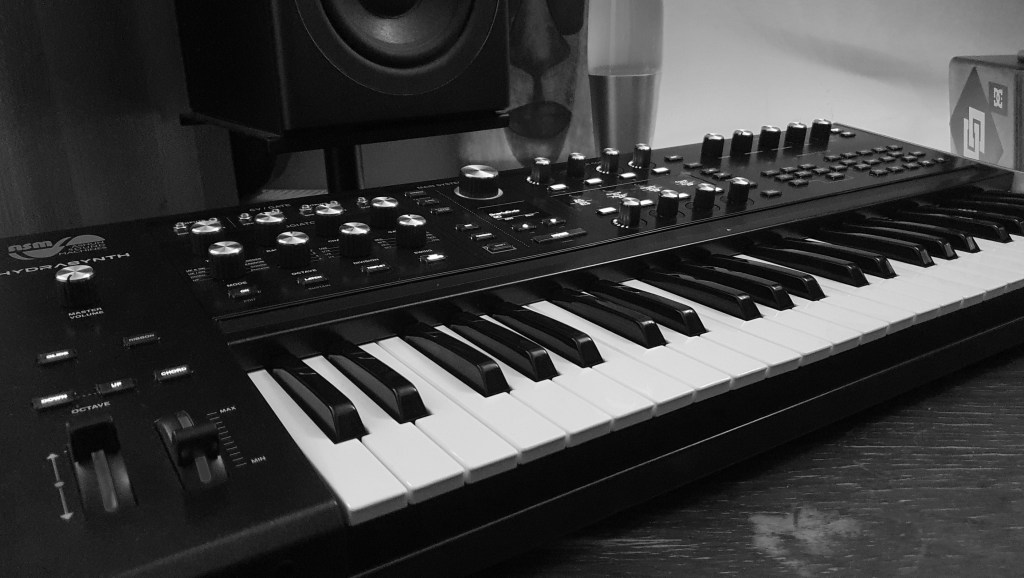
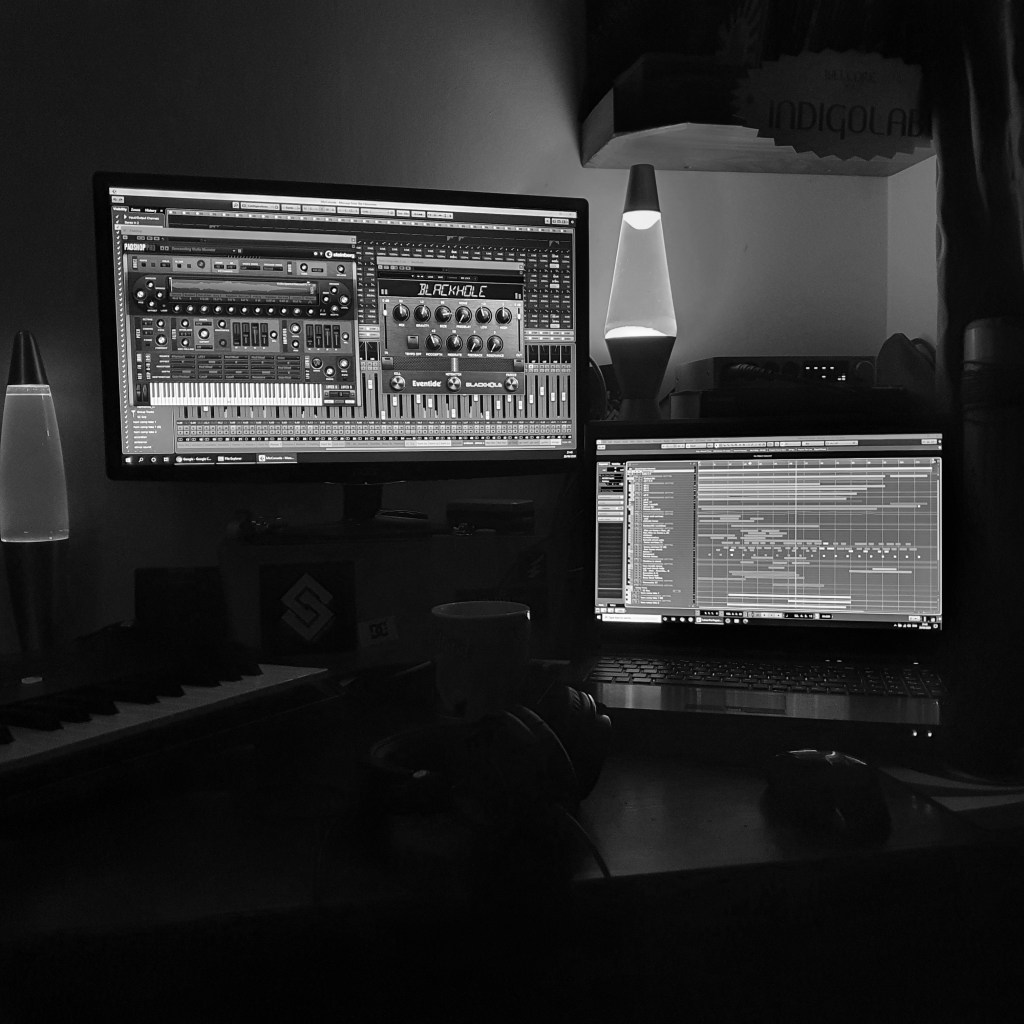
I keep it relatively simple these days but have been through a lot of gear over the years. Right now I have my guitars; electric, acoustic, classical and bass, a Hydrasynth as my main hardware synth/controller and I use microphones and field recorders for capturing anything from vocals to instruments to experimental found sounds. My PC and software obviously plays a huge part in the studio with Cubase being the heart and soul of everything I work on. I’ve used it since it was just a humble midi sequencer back on the Atari ST and can’t imagine ever having to learn another recording environment as it’s like a second language to me. In previous studio incarnations I’ve been lucky enough to have owned some fantastic instruments which I’ve loved and used for a while then sold on to fund new gear and keep things fresh. I generally keep quite a streamlined set up as I’m more productive without the distraction of hundreds of shiny machines, plus I find the less is more approach pushes me to really squeeze the most out of an instrument. In fact, when I bought an Access Virus b back in about 1999, I stopped producing music for about six months, spending the time truly mastering the synth and building hundreds of sounds. Gave me a huge insight into synthesis and armed me with a suite of sounds I continued to use for well over a decade. I don’t own that synth any more but cherish the skills learnt on it and feel an equally magical relationship starting with the Hydrasynth a year into owning it

12. 2022 is right around the corner, do you have any plans to release more solo albums, collaborations or play live?
I’ve not long finished a new album exploring yet another theme and direction in sound which should be out next year. Among other things, it includes my early exploration of the Hydrasynth and some of the cool textures it can generate.
As for what’s coming after that, I’m currently playing around with some interesting noir concepts which if they continue well may end up forming an album – it’s early days but given the dark winter months are upon us when I’m most productive, I’m hopeful something good will come of it. I’d also definitely also like to explore a collaboration or two; there’s a number of talented artists I’d like to work with and I’m always game for new musical challenges, so watch this space!
13. I really appreciate your time and most of all, your spectacular music! Any final offerings for those that may be reading this interview?
Thanks again for the opportunity to discuss my work and thank you also to those reading and listening. It’s always refreshing to actually talk about my strange and almost secretive music making habits; as I’m sure is the case for many other musicians, it’s a subject most normal people don’t get, or know what to say about it, but with it being something I spend every spare hour working on or thinking about I really do appreciate the questions digging deeper into where the music comes from.
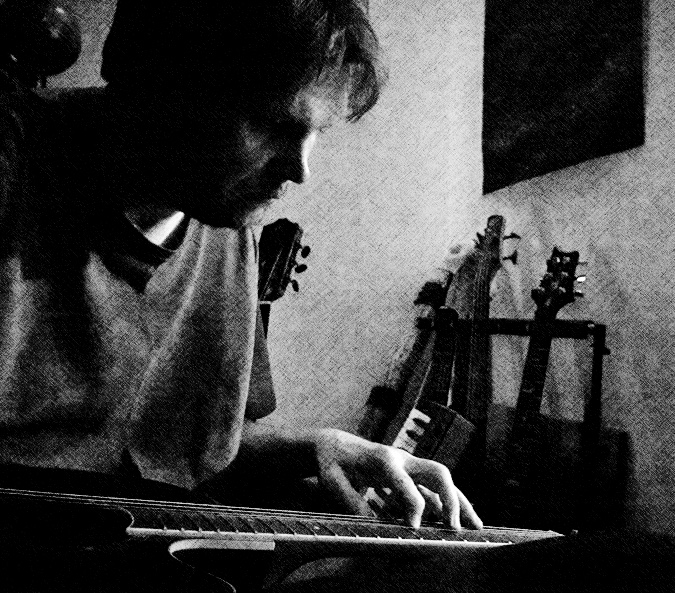
Dead Melodies Links:
https://deadmelodies.bandcamp.com
https://cryochamber.bandcamp.com/album/fabled-machines-of-old


 Dungeon Synth & Dark Ambient Reviews!!