As with any genre of music, there is a wide variety of flavors to choose from even in the dark ambient arena. Whether it’s the cold, isolated drones of space ambient; ominous, ceremonial vibes of ritualistic black ambient or the harsh soundscapes that infiltrate the airwaves in industrial ambient, there is always something to appeal to a particular mood. Colonial Skyway takes us down a different path with an equal balance of warm and cold ambient vibes, heavily influenced by the Midwestern landscape and character. The output is a minimalistic and bleak recording that is heavy on atmospheric and transparent drones that are trance-inductive and perfect for the meditative practice. On the latest album, ‘Landline’, the listener is taken on a spiritual journey in which the mental excursion is self-induced, yet magnified by the listening experience.
The album begins with the sincere and barren, “Data Over Iowa”. The hiss and crackles of tape loops flourish lightly in the background while light winds and diverse soundscapes contemplate in a cycled pattern. Somber keyboard tones are introduced as another element to the mix vice as a standout instrument, adding to the depth and meaning of this track. “Overnight” is a bold statement on the album as it is an eleven minute continual drone that doesn’t contain any additional instrumentation, soundscapes or field recordings. When you put in perspective the song title and it’s style, it all makes sense. If the listener sits back and lets this track take them away to another encounter, then the perpetuity begins to come together. Next up is my favorite venture on the album, “Could Be Down”. Featuring cold atmospherics and bleak soundscapes, this is one of the darker experiences this album. Deep tonal synths sway with high and low modulations, perpetuating a feeling of solitude and malevolence. While enjoying the apocalyptic feeling of this recording, it’s astonishing to know that this ten minute track seems to pass by so quickly. “Calling Merrytown” is another dismal piece that could easily be in a horror film sequence, at the point where viewer anxiety has reached it maximum level, and just before a climactic and violent sequence takes place. However, for the theme of this recording, I can imagine traveling through a deserted town where the infrastructure has all but rotted or collapsed, with weeds growing through every crack in the roadways and sidewalks and vines creeping up everything that remains vertical. Even without the help of a deep drone, the consistent looping of the discordant keyboard chops are enough to keep the shock value in tact. “Subdivision” starts with a warm drone, as if the clear sky of the early morning dawn radiates on the horizon. I can imagine driving down a long empty highway, listening to this track while (in unison) the sunrise slowly comes into view. The final song on the album is “Town And Country”. With the faint sounds of (what could be) a train soaring by, howling keyboard effects provide a shining light to end this amazing album. The elongated keys drone systematically throughout most of the track fading softly into the final few minutes that end in the same fashion as it began.
Colonial Skyway have put together an immaculate recording of expertly crafted dark ambient material. The use of field recordings, soundscapes and overbearing deep drones are used sparingly and in proper taste. However, that has all been replaced with long, intelligent drones and keyboard use, that is full of emotion and mid-west landscape influences. For me, this is the perfect meditative album for sleeping and even complementing thought patterns while working or just trying to relax. I highly recommend checking out ‘Landline’ so please support this fascinating artist by downing the album from the link below.
Please Like/Follow my blog so that you’ll get first hand updates every time I post a review. Thanks for visiting the Dungeon!!
There are many stories that depict the life of Queen Guinevere, the nefarious wife of King Arthur, but one of the most regarded chronicles is her lustful betrayal of her husband and consequent affair with Lancelot. After a period of time, she returns to the King and is forgiven of her treacherous disloyalty. However, King Arthur decides to go pursue Lancelot, leaving Queen Guinevere in the care of Mordred, who has an ulterior motive of his own – a plan to marry the Queen. Fleeing his proposal, Queen Guinevere seeks refuge in the nun convent known as Almesbury – where she subsequently remained for the remainder of her life due to the humiliation of her infidelities. Much of this was paraphrased for the sake of this review but it’s such an intriguing story and the major influence for the album at hand. Almesbury Abbey, one of many projects by Arnaud Spitz (and the material contained within), is a rediscovery of compositions previously written but finally released on this conceptual album based on Queen Guinevere’s concluding years in the Almesbury convent.
Somber opening track, “Guinevere’s Gone”, begins with a hauntingly alluring melody that seems so full of sadness, yet offers a bit of brightness with the extended synth tones that weave in and out of the main keyboard passage. Keeping it simple, this song doesn’t build upon layers of synth leads and rhythms, but instead draws the listener in with its beautiful simplicity. “Mordred’s Curse” is where the excitement begins and the grim, Medieval arrangements take over. Layers of obscured synths and a sudden bit of pulsating effects, followed by nightmarish sounds give this short track a big presence on the album. “The Creeping Mist” is another enticing track that is full of wondrous melody and droning ambience to give this brooding dirge a full and really clear sound. The lead synth chops are used sparingly and in good taste, as they provide an additional warming atmosphere. Next up is my a favorite song on the album, “A Madness Of Farewells”. Commencing with a mysterious synth effect that fuses into an elegant, yet melancholic arrangement, this has to be one of the most memorable moments on the album. Medieval-style keyboard leads and layers of dungeon synth melodies complete this monumental song and in my opinion, it’s just not long enough. “Almesbury Gates” starts with blasting cathedral-like organs before developing into a modest dungeon synth arrangement. These two styles battle back and forth throughout the track with the occasional pulse effect, giving it a percussive feel. Toward the end, the melody changes and contains an echo effect, providing a grandiose sound. “Heathen Of The Northern Sea” is an enchanting piece that compliments the style of Almesbury Abbey. The lead keyboard chops are magical on this track and pay further homage to the traditional dungeon synth sound. “My Sinful Queen I Forgive Thee” has the characteristics (and sound) of a classical guitar composition with hints of retro progressive synth arrangements, with regards to tone and its progressive time signature. The final track on the album is “Beyond These Voices There Is Peace.” The choir-like vocal effects are both ominous and mournful at the same time. Medieval synth interpretations slowly crescendo into the mix and ultimately overtake the vocal effects all together. As more synth sounds are introduced, the more dismal the track gets, painting a very grim picture to close out the album.
Almesbury Abbey is a very fascinating project that contains elements of neo-classical, dungeon synth and Medieval compositions. Knowing that all of these magnificent pieces were written and inspired by the latter days of Queen Guinevere, makes it all the more worthwhile. If you enjoy synth music of a more intimate setting with hints of harsher overtones, I would highly recommend checking out ‘Queen Guinevere’ and supporting this prodigious artist by downloading the album from the link below.
Please Like/Follow my blog so that you’ll get first hand updates every time I post a review. Thanks for visiting the Dungeon!!
Label compilation albums are the perfect introduction for not only finding new and electrifying bands and artists, but to also dig deep and explore in a vast array of genres that we – for the most part – tend to generally only skim the surface. Earlier this year, Overture Militia Inc., a small label that spotlights artists of the post-industrial and dark ambient domain, released a valiant, eighteen track collection known as ‘The Plan’. Examining genres such as dungeon synth, dark ambient, drone, harsh noise & industrial, ‘The Plan’ is an hour and forty six minute journey into the oblique side of esoteric music. Although this is an amazing, yet bleak outing, I will further examine a few of my favorite tracks below.
“Ruination, The New Dawn Cometh” by Old Tower is the second song on the album and one of my standouts overall. Although most of the album consists of harsh, industrialized noise and dark ambient, this dungeon synth track fits in perfectly, with its austere sound, doomy tempo, and thick synth tones. There is a great bit of melody on this song, which is hauntingly beautiful. However, don’t get use to it because that vibe stops almost completely after this song. “Nursery” by Aseptic Void is the fourth song and it contains some of the creepiest dark ambient emotions I’ve heard in a while. The sound bit in the beginning – of children playing on a playground – adds an extra sinister awareness to all of the malevolent soundscapes that continuously possess the audio waves. Low-end drones and the occasional guttural narration is enough to give consistent nightmares. “Unhallowed” by Ursuper is the fifth track on the album and it continues in the dark ambient arena with a brooding, minimalistic approach in the beginning. It’s one of those tracks that slowly grows and builds to a climactic ending but you never know what’s going to happen in between until it actually does. At around the four minute mark, industrial affects increase in volume as if total annihilation is soon to happen. Over the next couple of minutes, this mechanized sound crescendos before slowly fading into oblivion. “The Horsemen Ride Out On Foaming Steeds” by Nordvargr is the ninth track on the album and probably one of my favorites. Nordvargr is such an amazing artist that consistently delivers appetizing music that borders post-industrial, black ambient, and death metal (specifically with the vocals). This track is a standout masterpiece on the album and the guttural vocals are what make this so appealing and unique. I could listen to this style of music all day. “White Sun Over Our Children – Exhale 22” by Miracle Of Love is the tenth track on the album and is just over ten minutes long, making it one of the longest songs on the album. Beginning with a short blast of harsh noise, it soon settles into a rhythmic drum & bass loop with minimal synth effects and soundscapes. Every so often, the drum beat alternates rhythms and the occasional harsh noise sample is thrown in for good measure and in good taste. For the last three or four minutes, the drum beats are replaced with drones and maniacal sound effects. “Hackfleisch” by Rubber Nurse is the eleventh and most evil sounding track on the album. It’s a near three and a half minute grueling drop into the abysmal hole of blackened industrial ambience, with a fair share of barely audible voice samples. Never the less, this sounds killer and I want to hear more by this artist! “Euer Hunger” by Todesritual, is the twelfth track on the album and is like listening to a scene from a horror movie. There are layered whispers, obscure field recordings, industrial soundscapes, and mild keyboard sounds, but they all come together in a frightening way and the final minute is an excellent throwback to the retro synthwave sound of the 80’s.
Overture Militia did an excellent job putting together this compilation of artist from varied backgrounds and genres. For those that are into obscure music and for those that don’t mind venturing into territories of the unknown, then ‘The Plan’ is for you. This album is sure to contain some artist or tracks that will get your blood pumping (or boiling), allowing you to continue following their artistic endeavors outside of this compilation. That being said, do yourself a favor and support the underground by downloading this album from the link below.
Please Like/Follow my blog so that you’ll get first hand updates every time I post a review. Thanks for visiting the Dungeon!!
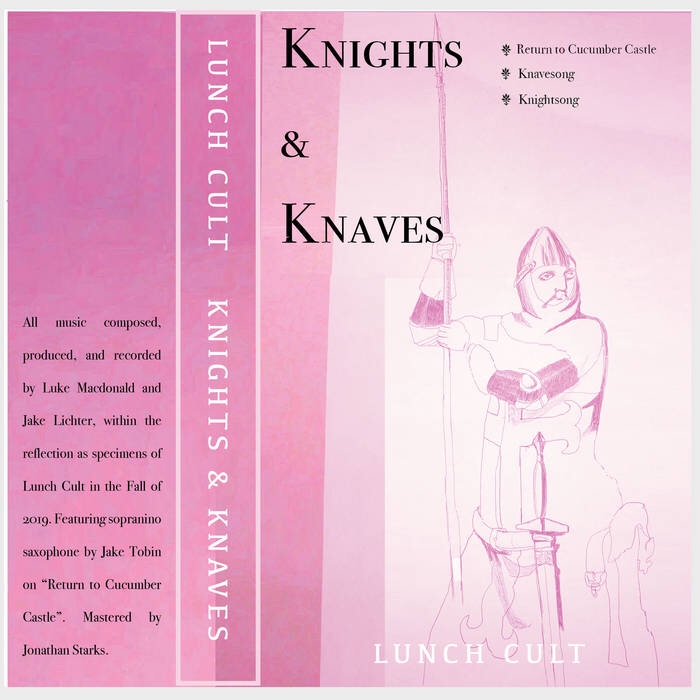
When it comes to exploring new territories of music for some artists, some are a little apprehensive about taking risks while others compromise their original sound altogether despite reproach. One such collective is Lunch Cult, a LoFi Garage Rock Band that transcends experimental creativity but has never strayed too far from the pop/rock genre…until now. On latest album, ‘Knights & Knaves’, Lunch Cult fuses an improvisational blend of Dungeon Synth, ambient textures, crypt hop moments and synth effect wizardry to produce an eclectic concoction of three Medieval tales that will have the listener spying for influences throughout each track.
Animated album opener, “Return To Cucumber Castle”, sets things off in high gear as the somber synth tones are reminiscent of a jazzy, noir setting that slowly begins to incorporate layers of effects, hip hop rhythmic beats and hypnotic keyboard effects that perfectly harmonize with the main chop of the song. At about the halfway point, a fast drum beat takes over and plays along side the main keyboard section. This combination of fast beats and slow keyboard arrangements go over really well and flow perfectly into the next section of the song, as if it’s taking after a 70’s prog rock instrumental track. As the song climaxes in the final minute or so, all of the arrangements come together in unison and slowly fade out to a improvised saxophone section. Up next is the eccentric “Knavesong”. Random keyboard licks, percussion grooves and saxophone notes, come together as individual improvisations but can be easily interpreted as a single and relevant composition. There are parts of this track that remind me of of the OLD (Old Lady Driver) track, “Backward Through The Greedo Compressor” from their 1993 album, ‘The Musical Dimensions Of Sleastak’. Like any fusion-era jazz composition – that seemed wildly random at the time – this kind of music is an acquired taste for some and an audible gem for others. I fall in the latter category and commend Lunch Cult for their creativity and output, and for remaining open to ideas that unfold across multiple genres. The final track on the album is the twelve minute long “Knightsong”. With more of a straightforward approach, Lunch Cult takes the listener on a Medieval journey with brooding Dungeon Synth sounds that are augmented by haunted rhythmic beats and ambient sections. Although it is more minimalistic than the other tracks on this album, it has a heafty output and at times sounds chilling. There are small bits of chiptune thrown in at random and the peculiar noises that fade in and out throughout, are done in great taste. There is an awesome video premier for this track below, and I highly recommend checking it out. It’s really entertaining and put together very well with a comedic, but impeccable storyline.
If you take the time to peruse through Lunch Cult’s Bandcamp discography, you’ll probably reach the conclusion that there’s truly no accounting for musical taste. The sounds you may hear on one album will be completely different from the next. That couldn’t be further from the truth when it comes to ‘Knights & Knaves’, as it includes rich ambient textures, Dungeon Synth overtones, a little bit of quirkiness and a considerable amount of anything else that can be processed to compose magical musical endeavors. Check out the awesome video for “Knightsong” (below) and support this unique band by downloading ‘Knights & Knaves’ from the link (even further) below.
Video Premier of “Knightsong” (Official Music Video):
Please Like/Follow my blog so that you’ll get first hand updates every time I post a review. Thanks for visiting the Dungeon!!
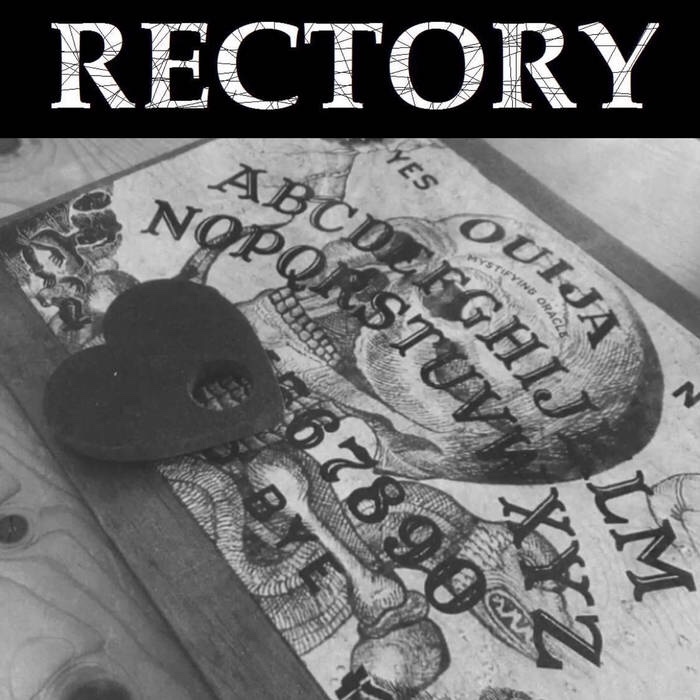
As Dungeon Synth continues to grow in popularity, the amount of artist surging onto the scene is astonishing. It seems like every few days A new artist appears, or three to five new recordings get released, causing me to maintain extra “Bandcamp Funds” in order to support this community as much as I can. One of the new artist that I’ve really been impressed with is Rectory and with their brand of Haunted Dungeon Synth, it opens up another sub-genre of ambient-based synth music for the ages. Debut recording, ‘Ghost Stories’, contains four ethereal tracks of breathtaking Dungeon Synth that borderlines medieval tones and eerie dark ambient passages that transcends multiple genres. With songs such as “Waking At Midnight” and “This Room Always Feels So Sad”, there is a sense of gloomy malevolence at play that is hauntingly beautiful, yet seemingly damaging to the soul. I recently had the pleasure to conduct an interview with Rectory to find out how they got started, the story behind “Haunted Dungeon Synth”, and anything in between.
1. First of all, thank you for taking the time to conduct this interview. It seems like Rectory quickly infiltrated the Dungeon Synth scene within the last few months. What were some of your main influences for getting started?
That’s very kind of you to say so; I still feel like no bugger has heard of us. Not that I resent that, of course! It’s a scene that’s absolutely exploding at the moment and we’re just happy to be a part of it.
When I first started writing, I only really knew the big names in Dungeonsynth: Burzum, Mortiis, Jim Kirkwood… I explored more as I went and found some really great stuff. I don’t know how much it inspired me directly, though. Musically, I’ve taken the biggest inspiration from film composers, especially Joseph Bishara, Danny Elfman, Fabio Frizzi and Charlie Clouser.
2. According to your Bandcamp page, you label your music as “Haunted Dungeon Synth”. What sets your music apart from the typical Dungeon Synth music that we hear quite often these days?
I love the medieval things and the sword and sorcery things that some people do, but it isn’t right for me. I’ve been fascinated with ghosts and hauntings since I was about eight or nine years old. I find the subject completely fascinating. If you’re a believer, it’s great that there’s a whole world to explore that we don’t understand yet. If you’re a total sceptic, isn’t it fascinating that your brain can do these things and make you think you’ve experienced something paranormal?
So, the idea for Rectory began to crystallise, and it became a little project for me to work on while England was on lockdown over COVID-19. It’s already gone further than I expected it to.
If you mean musically, I guess it’s just the general sound. Our music is the antithesis of Comfy Synth. Hell, call us “Discomfort Synth” if you want. The moment we press ‘record’ we are thinking about how we can unnerve the listener.
3. Do you think that “Comfy Synth” has also influenced Rectory’s sound, but in a way that‘s condescending to that sub-genre?
Not at all. There are a few Comfy Synth artists whose worn I enjoy – Tiny Mouse, for example, is wonderful – but it’s not something we’re interested in writing. There’s certainly no backlash or condescension on our part. I’m happy they’re doing their thing, and I’m happy people love it. The genre is already incredibly small and anti-commercial. I don’t think that infighting or sneering at what other artists are doing is productive for anyone.
4. For the releases that you currently have out, there seems to be a ghostly theme to the music and album covers. What inspires you to write around this subject matter?
Lifelong obsession, really. I love reading true ghost stories, and I’ve been to seances and ghost hunts. I just love all aspects of it. I’ve seen and experienced enough stuff to make me believe that some of it is real. The name “Rectory” is taken from Borley Rectory, which was allegedly the most haunted house in Britain until it was destroyed.
I also took a lot of inspiration from classic ghost stories by guys like M.R. James, Sheridan Le Fanu, and William Hope Hodgson. There is an atmosphere to those tales that I really wanted to capture. Not that I don’t love modern stuff, too! Adam Nevill is an absolute master. Garth Marenghi is a huge influence on us, too.
5. Do you provide your own artwork for the albums as well?
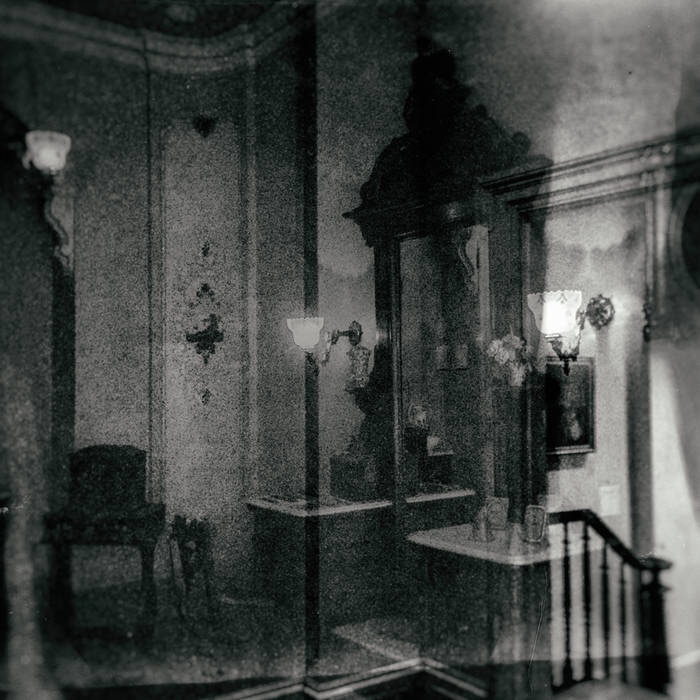
The cover for “Ghost Stories” is an interior photo of Borley Rectory. The cover of “There Was a Man Dwelt by a Churchyard” is one I took, myself, of my Ouija board.
6. How important is the ambient/atmospheric aspect to your craft?
100%. Rectory is nothing without the ambience and atmosphere. That’s often where the song-writing starts.
7. Do you think you might venture out into the Dark Ambient arena some day?
Possibly. A few people have said that they consider Rectory to be more Dark Ambient than Dungeon Synth, already. It’s totally possible we could gradually evolve that way. Lustmord is a huge influence on what we do. His soundscapes are incredible. Of course, if anyone has a horror film that needs scoring, that’s something we’d love to do.
8. Before Rectory, were you involved with any other musical endeavors? If so, how was the transition to playing/recording Dungeon Synth?
Yeah, I’m a punk musician. Self taught. I’ve been playing and writing stuff since I was about fourteen, with varying degrees of obscurity.
I have very little musical theory under my belt, so that, and learning to play the keyboard from scratch were the biggest challenges. It’s been something totally outside of my experience and comfort zone, but that’s a large part of what has made it so rewarding.
9. Cassette releases seem to be a big thing in the Dungeon Synth community. Do you plan on any physical releases of your recordings?
Yes, Sol Moribundo has released “Ghost Stories” on cassette.
I’m not a fan of the format at all, but enough people were interested that I set out to make it happen. Sol Moribundo are a small, start-up label, but they’ve been great to work with.
10. Have you thought about collaborating with other artists?
Some conversations have been had, but nothing is in the pipeline at present.
11. Tell me about your recording/playing setup. Do you use a mix of analog and digital recording equipment?
I use a Ouija board, planchette and automatic writing.
12. Do you have any desire to play live or do you plan to stick to being a recording artist only?
No, I’m an old man, now. My live performance days are well and truly behind me. To be honest, I’m not sure DS ever translates well into a live environment. If Summoning can’t make it work live, what chance do the rest of us have?
Plus I think so much of “the Rectory experience” – if I may be permitted to talk like an abject fucking nonce for a moment – takes place inside the listener’s head, and I worry any visuals would distract from that.
13. These days, how much do you rely on social media to spread the word (and music) of Rectory?
It’s the only way of doing it. The Dungeon Synth groups on Facebook are incredibly open minded and supportive, and there’s a few really good blogs out there. One of them wants to interview me, but I forget their name.
14. I really appreciate your time for this interview and thanks for the music that you provide to this wonderful community. Do you have any final words for your fans that may be reading this interview?
Sure. The Rectory album is in production, and will be out as soon as I’m happy with it. It’s called “The Rattle of Dry Earth”. After that, I’ll be working on a World War II themed DS project as a quick break, which should be a lot of fun.
Anyone that knows me or follows my site, must know by now that Xerxes The Dark is probably my favorite Dark Ambient artist. Whether sketching out bleak, industrialized madness on his solo projects or lending his captivating production work to collaborations, XTD embodies the true, stark nature of Dark Ambient music. That being said, anytime there is a new XTD release – without hesitation – I’m ready to spend my hard earned money because I know it will be well worth the investment. ‘Final Crisis’ does not disappoint in the least bit and may be XTD’s darkest (and most ruthless) offering to date. To summarize the ‘Final Crisis’ listening experience, it’s like being embedded into a nightmare, or a relentless horror story where there is no escaping the agonizing terror of the unseen entities that haunts you.
Beginning the horrific ordeal is “The Hiding (Alternate Edit)”, with uneasy and ominous drones seeping into audio range while sinister static noises causes unrest. As the hollow sounds increase and tension builds, various soundscapes detail a malevolent mission of violence and dread. The listener is now locked into seventy two minutes of ambience filled with malicious intent. The intensity continues to build with “Antimatter Emergence”. Filled with industrialized drones that are accompanied by bizarre effects and field recordings, the minimalistic feel will easily increase all anxiety as the anticipation of lurking evil never seems to dissipate. The torment continues with “Parallel Disturbance”. If the abundance of screeches and unknown nuances weren’t enough to increase your blood pressure, the sudden blast – of what seems like – air brakes from a vehicle will definitely get your heart pumping. There is no escaping the unnerving soundscapes of the rainfall, traffic sounds, mixed with other unidentifiable noises to keep you on edge. A steady low end drone continues to play in the background as a storm races to the forefront of this track. There is a sense of ferocity as this near ten and a half minute nightmare displays a furious depth like no other. “The Leakage Between The Worlds” starts with a space ambient drone with a multitude of effects and soundscapes that gives an otherworldly feel. There are some excellent minimalistic moments on this track that are cold and dreary, with spots of inaudible narrations that are muffled and downright sinister sounding. “Crisis (Pt. 1 – Microscopic Black Holes)” immediately begins with an industrial feel as static materializes at a frantic pace. Vocal modulations are added, along with destructive soundscapes and field recordings. The impression of urgency can be heard, as all of these sounds are thrown together in perilous unison. Drones and synthesized tones increase in volume as the intensity reaches its peak. “Interaction” crystallizes from a somber drone that shifts in tone, as an industrial sample creates a harsh moment in the album. This chaotic sound ruptures into a loop and echoes from speaker to speaker before finally shifting into an all-out industrialized audible assault. “Crisis (Pt. 2 – Vacuum Bubbles)” continues down the path of deafening sounds as the synth modulations use various pitches and depths – especially in the beginning of this track. At times, there is a bit of distortion added to the drones, giving it a thicker, meaner tone as it accompanies some of the fiercest soundscapes and samples thus far. There is no rest for the weary, as bitter, severe noises wait around every corner. “The Hiding” is just as intense as the album opener but is a little more minimalistic at times. There are still periods of madness and mayhem as this original cut is just as menacing as the Alternate Edited version. The final track on the album is “Theory Of Nothing”. Displaying a great mix of dark and space ambience, there is a beautiful instrumental melody that is guided along with layers of clear, tonal synths. Unlike the other tracks on this recording, the soundscapes take a backseat (volume-wise) to the somber drones and instrumentation. What a genius move to close out such a dark and gruesome album with a brilliant track like this.
Xerxes The Dark continues his streak of releasing exceptional Dark Ambient albums, and has been doing so for the better part of fifteen years. Although he’s (lately) been devoting time to the downtemp/IDM project known as MOREGO, I’m glad to see that he still has the dark desire to continue releasing amazing albums such as ‘Final Crisis’ under the Xerxes The Dark moniker. This album is not for the faint of heart, nor one that you would probably want to fall asleep to – as you’ll sure to wake up sweating from a terror-filled nightmare. On the other hand, this album epitomizes what Dark Ambient is all about and is one of my favorite releases of this year thus far. If you like your Dark Ambient on the more sinister side, look no further than ‘Final Crisis’. Please support XTD and download this amazing album from the link below.
Please Like/Follow my blog so that you’ll get first hand updates every time I post a review. Thanks for visiting the Dungeon!!
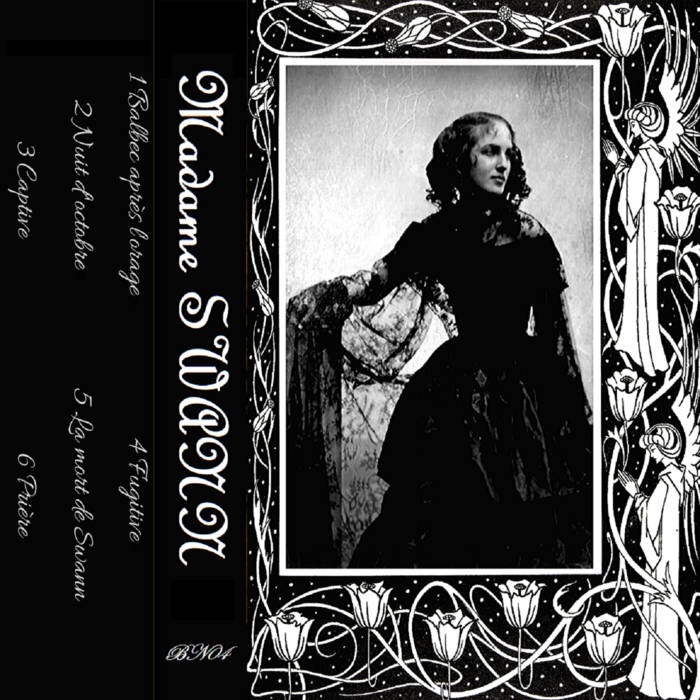
Although the origins of Dungeon Synth continue to be debated, there is no question that it’s influences date back centuries. From medieval-era composition to turn-of-the-century neo-classical arrangements, Dungeon Synth has taken great prestige in expanding on these magnificent musical cultures. Madame Swann has done something quite unique on their debut album, in that they’ve taken four previously written compositions from the early 1900’s – that have never been musically recorded – and have given them an everlasting audible experience. In addition, Madame Swann have composed two original tracks to add to this stellar recording, giving their personal stamp on this special album. In all, these six tracks flow with a sense of nostalgia with a minimalistic approach to instrument tracking.
Right from the start, the ominous quality of “Balbec Après I’Orage” shuffles through notes with haunting enthusiasm and presents a crystal-clear production that is even more haunting. Various synth effects present a retro feel throughout the track and it’s just so hard to imagine that this beautiful song was written around a hundred years ago, even though it sounds so up-to-date. “Nuit d’Octobre” is one of the original tracks written by Madame Swann and it fits in perfectly with the aesthetics of the other classical tracks on this album with regards to arrangement and melody beautification. In addition, the minimalistic approach provides such an eerie backdrop to go along with the minor keys that are played in such a masterful structure. “Captive” keeps the same sound, tone and timing as the previous tracks and it simply exudes a combination of neo-classical and retro synth layers to create a lavish sound. Next up is the delightfully toned, “Fugitive”. The production contains a huge wall-of-sound that slowly echoes to create a massive musical endeavor. A faint drone plays underneath a busy synth lead that reverberates a passion for classical compositions. “La Mort De Swann” is a standout track as it contains various sounds and effects not heard on any other track. From deep synth grumbles to high-pitched vibrato tones, this is a short eclectic piece that is too interesting not to be recorded for the first time in almost a century. The final track on the album is another Madame Swann original entitled “Prière”. This one features more of a dark ambient intro with mesmerizing narrations before diving into some serious medieval synth leads. After a few bars of this beautiful sound, it begins to build and layer with additional leads that play in the same style but toned down a bit, creating a really enthralling and adventurous track.
I really enjoy the concept of Madame Swann and the approach taken on this album was done with with extraordinary attention to detail. Containing two original tracks written by the artist and four tracks written by Jeanne Spitz (almost one hundred years ago) but never musically recorded, Madame Swann have released an amazing album of neo-classical/neo-medieval synth music that shouldn’t be pigeon-holed to just those two genres. From the arrangements, instrumentation, musicianship and production, this album presents an all-around wonderful listening experience. Please support Madame Swann and download this amazing album from the link below.
Please Like/Follow my blog so that you’ll get first hand updates every time I post a review. Thanks for visiting the Dungeon!!
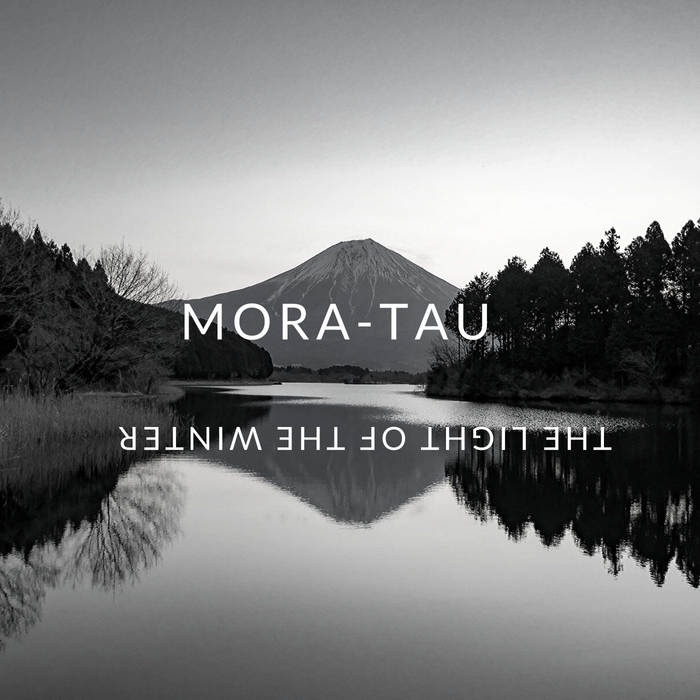
The calm demeanor of minimalistic music can evoke all sorts of human emotions. The vast listening experience is like an endless field of dreams and nightmares, all rolled up in one, and depending on your psychological state, it could allow for one of the best experiences ever. This is especially true when we realize that the ambient music that is providing this backdrop, is heavily influenced by spacey elements of 70’s progressive synth music – especially the monumental sounds of Tangerine Dream and the brilliant solo works of Klaus Schulze. Luminous Japanese recording artist, Mora-Tau, maximizes these influences on a spectacular new release called, ‘The Light Of The Winter’. The four improvised – but majestically written – tracks on this album will catapult the listener to a cold, surreal world where there is no limit for crafting a story for blissful meditation.
The ultra silky sounds of the the lead off track, “The Light Of The Winter”, is reminiscent of a jazz noir piece that has improvisations in the perfect spots to create a hauntingly beautiful moment. As the synth volume increases and the play becomes more sporadic, the listener is cascaded back into an era where time was slower and gray weather drifted in between sun rays at a snails pace. Although this song is filled with many peaceful moments, there is a sense of dreadful nostalgia in the background that always makes its presence felt. Up next is the twenty five and a half minute long “Cityscape”. Without rushing a single note, the track starts off with dreary deep tones and oppressive melodies that represent a cold, dark and miserable time where the infinite clock paints a mesmerizing picture of never ending despair. Slowly, additional soundscapes are added to the track, bringing a great variety of light and dark ambience to the mix. At around the halfway mark, layers of drones begin to build, creating a climactic effect. Even though this is an extremely long track, it continues to build and garner strength throughout its duration, making it a wondrous journey to be a part of. The next track, “For The Memory Of The Earthquake” is a fascinating song as (in my opinion) it pays homage to the 2011 Tōhoku earthquake (and tsunami) that decimated parts of North Eastern Japan. Coincidentally, I lived in Japan during that time and experienced some of the effects of this disaster and would never want to relive that situation again. Anyway, back to the song at hand as it contains somber instrumentation with a very minimalistic approach. It’s almost as if the artist is reliving the experience in slow motion and the music is creating a positive outcome from such a negative event. Retro keyboard tones really stand out on this one as the improvised moments take us back to the old days of synthwave. The final track on this illustrious album is the near twenty one minute long “New Moon”. Starting with deep modulation tones that reverberate as a solid foundation, odd synth tones slowly build and create a mild frequency havoc when some of them are pinched together. However, this is a necessary part of the track as the sound waves continue to build until they are replaced by clear, piercing drones. Bizarre improvisations fit in rather well during this moment and even make this a standout track on the album. Soon, ordinary synth tones begin to layer in a harmonious effort to bring much needed light to this track. More retro synth sounds are added, along with mysterious keyboard effects, to present an irregular ending. Although it fades out with a few minutes to spare, it abruptly fades back in with a systematic closing that summarizes the fascinating style of this album as a whole.
Mora-Tau is an extremely compelling artist that is full of vision, even when creating long, epic tracks full of improvisations. ‘The Light Of The Winter’ not only captures retrospective synth moments, but it also finds common ground with dark and light ambient compositions, making for an extraordinary production effort. I’m eager to hear more from this talented artist and I highly recommend checking out this album as soon as possible. Please show your support and download ‘The Light Of The Winter’ from the link below.
Please Like/Follow my blog so that you’ll get first hand updates every time I post a review. Thanks for visiting the Dungeon!!
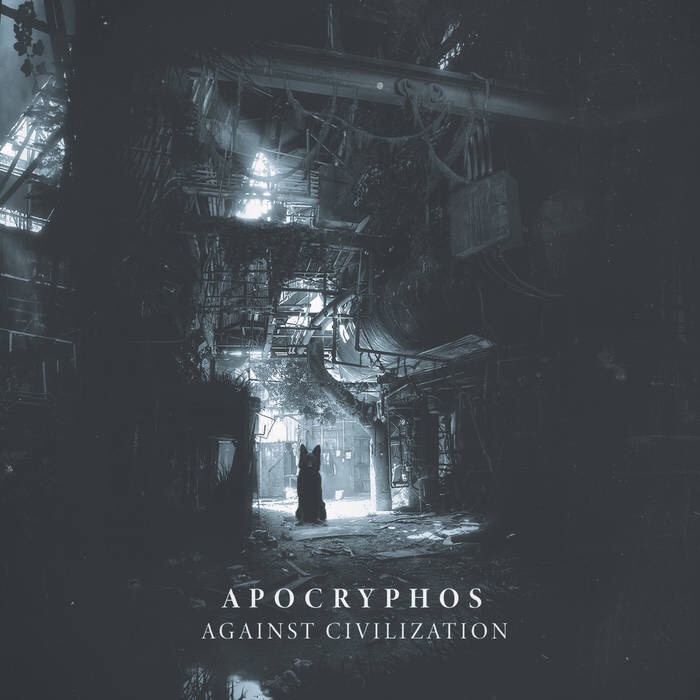
Taking into consideration that the year 2020 has been one of the most atrocious years in recent history, it’s safe to say that the perception of society as a whole is pretty detestable at the moment. Politics aside – a subject I will never glamorize in my reviews – times have changed and cultural understanding and guidance seem to have fallen by the wayside. That being said, it must have been like a premonition when Apocryphos released the phenomenal album, ‘Against Civilization’ back in February of this year. The overall theme for this album is exactly what we’re dealing with when it comes to humanity’s embrace on life. These eight tracks of guitar-laden dark ambience reveals the chaos when handling the rage of the untamed.
Right from the opening track, “Heartsick”, there is a dispiriting sensation that prevails when the soothing and melancholic guitar effects begin to play out. There is a somber quality with the tone that instantly suppresses the mood to allow for the prolonged and hypnotic drones to take center stage. “Altschmerz” initiates with an empty space of dread while mesmerizing, layered guitar effects slowly imbue the mix. Acoustic tones play indiscriminately while boosting the various soundscapes that hauntingly play out in the background. “A Feral Nature” begins mournfully, playing depressive and minimalistic drones. Even in the bleak nature of this track, Apocryphos still seems to find a way to mix in beautiful melodies that are not only memorable, but highly addictive to listen to as well. “Dysphagia” commences with a haunting static effect with various soundscapes added in to deliver unbiased nightmares to the listeners. Low-end guitar tones playing in the background to increase the creepiness factor and keeps the overall sound at an abysmal level. “Cupio Dissolvi” continues the use of beautiful, yet dismal guitar drones and the slow buildup to the louder sound level is soothing and leaves the listener in dire anticipation for what’s next. The melodic drones build over time and change in tone often to make this a consoling piece of work. “A Feral Night” begins with a deep, tonal modulation that remains constant and hypnotic. The guitar-heavy drones are reminiscent of an industrialized wasteland as the austere tones are layered perfectly and are used sparingly to provide a sense of apprehension. “Sunken Eyed Theopanies” starts with an astonishing sound that resembles the constant gong of a Grandfather clock. Without hesitation, higher pitched intonations ring in on multiple occasions to ensure this bleak track remains as enthralling as possible. The final track on the album is “ A Feral Kind”. It calmly begins with a mollifying drone that increases in volume over a short period of time. Additionally, it seems to add in a deeper layered drone to thicken the sound. Throughout this track, drone tones are manipulated in higher and lower pitches without conflicting, in order to contribute to this wondrous and minimalistic offering.
‘Against Civilization’ is not like most other Dark Ambient offerings, as the artist relies heavily on guitar effects and tracking to provide layers of massive drones and quality melodies. Not only does that make this a unique contribution to the genre, it’s also one of my favorite Dark Ambient albums of the year so far. Additionally, the songwriting impeccable, and the quality of the material is beyond exceptional. Apocryphos is a staple artist on the Cryo Chamber label and with releases like this, it shows why. If you’ve not heard this amazing recording, now is the perfect time to do so. Please click on the link below and support this stunning album.
Please Like/Follow my blog so that you’ll get first hand updates every time I post a review. Thanks for visiting the Dungeon!!
Sometimes, music that terrifies the soul comes in unforeseen forms. Specifically in the Dark Ambient genre, haunting drones and malevolent soundscapes tend to be the vanguard for uncompromising nightmares and emotions. However, it’s the minimalistic approach to ambient music that contribute to the sensation of true isolationism, and that – to me – is a whole new level of horror. The latest release by Ajna, ‘Oracular’, confines the listener into a deep space of abandonment and desolation, so that the mind is held captive by the ten cavernous tracks contained within. The perception of this sixty six minute journey is like having an out-of-body experience and if you sit back, close your eyes and take in the powerful audible message, that’s exactly what will happen.
“Metaterrestrial” opens with deep, brooding notes that are the dawn of a chilling sequence of sounds leading up to a guttural drone with horrifying soundscapes. It’s as if a nightmare from a horror film is playing out before our ears, creating a dark, unforgiving world that is ready to apprehend the listener without bias. Waves of cosmic synths modulate in slow motion, causing relentless tension. “The Unknown” commences with a soft but profound drone, followed by a frantic static sound that abruptly gets the blood flowing. Afterwards, layers of subdued synth tones build a wall of astral sound as it creates an environment for easy mental drifting. The static noises, as well as a few other industrial-like soundscapes randomly make an appearance as an obscure gesture to torment the mental awareness of the listener. The next track of unsettling detail is, “Parallel Hypnosis”. With the soft drones taking a background to the ever changing soundscapes, distraught noises kick things off before halting and giving way to ghostly drones. Irregularly timed industrial sounds give this track a mechanized feel and that benefits the overall theme of the album. “Astral Hybridization” starts with a steady, low end sound with drifting synths blended in, giving it a bit of a melodic appeal. The abrupt soundscapes continue to be a driving force and they can be a bit daunting when least expected. “Rising Above Physical Time (alternate version)” introduces a grim and constant tone that sounds like the aftermath of a forceful bang of a Tibetan singing bowl. Grotesque soundscapes coagulate for a while before fading off in the distance, making this a rather eerie track. “Pneuma” rolls in like a deep winter snow storm, ascending to loud, harsh volumes before descending into uncertainty. Once settled into the depths of cold and despair, irregular modulations crackle through the speakers and icy drones continue to fill the colorless void. As the synth frequency increases, so does the volume, creating a whirlwind of relentless desolation. “Paralysis” wastes no time with the bludgeoning drones, as they pierce the airwaves fiercely right from the opening moment of the track. Without hesitation, moments of harrowing shrills bellow out with full force! After a few minutes, a particular calmness comes over this track but a constant drone maintains a steady vibration while various soundscapes compound with renewed resonance. “Two Red Moons” appears less hectic than most of the other tracks, but still complies with the random drops of industrial-laden soundscapes. “Nightmare Sector” is probably the most sinister sounding track on the album. Although the drones are mid-level in tone, various other sound effects make this one extraordinarily creepy. The last track on the album, “Infinitam Abyssum II” is a true masterclass in claustrophobic ambience. The dreadful phantasm of sound exuded in this final offering is bleak and cold and epitomizes minimalistic Dark Ambient in an unparalleled way.
Ajna has set a precedence when it comes to confined Dark Ambient. With a minimalistic approach to deep, meditative drones complimented by apocalyptic soundscapes, ‘Oracular’ is a highly entertaining album with a consistent and ear-pleasing style throughout. If you enjoy Dark Ambient with a restrained sound amidst innovative soundscapes, then checkout the latest album by Ajna, ‘Oracular’, our now on the Cyclic Law label and available for download at the link below.
Please Like/Follow my blog so that you’ll get first hand updates every time I post a review. Thanks for visiting the Dungeon!!





 Dungeon Synth & Dark Ambient Reviews!!