Mombi Yuleman is one of the most versatile electronic producers making music today and there is no doubt that he’s one of my favorites as well. Whether it’s the nightmarish effects of his conceptual Dark Ambient masterpieces or his upbeat Psychill offerings, he can almost be considered a one-stop shop for all of your electronic audial transmission needs. This year has been one of his most accomplished to date has he’s released a string of albums that elicit a variety of styles. One of my favorites (thus far) is the buoyant offering called ‘Underground Dwellers’, a maniacal Psychill adventure that is inspired by 80’s horror cinema and details the terrifying experience of diseased rats banding together to take over a futuristic Chicago setting. Featuring eight tracks of contentious beats and retro-styled synths, this is an amazing album that can be played and enjoyed on just about any occasion.
The vigorous album opener, “Sewer Rat With Babies” may sound very familiar – especially if you’re a Rush fan. The very first sequence sounds like a homage to the album ‘2112’, with its sonic sequences and space-like modulations. However, that’s where the similarities stop and the Psychill action begins as this track goes into a full-throttle, dance mode inflection. Peculiar soundscapes and galloping rhythms continue to drift with ease, as a looming darkness continues to impress. “Subway Tunnels” begins like an 80’s synthwave soundtrack piece, as inner city soundscapes and Sci-Fi cinematic timbre sets a bleak vision of classic soundtrack vibes and haunting Dark Ambient structures. With shrills of sewage vermin and Berlin School sequences, this is the perfect build up to the next track while maintaining the overall vision of the album. “Experimental Growth Formula” commences with thunderous drones and melodic pads, leading to a head bobbing cadence that is groovy without being over the top. New wave styled synth leads and bits of reverberated keys lead the charge in this mid paced, late night excursion. About halfway through, an abbreviated pause followed by a quick narration leads right into a grinding Psychill section that continues to build with synth leads and ambient atmospherics. “Increasing Metabolism” is a bleak intonation that continues with the audial storyline and presents a precipitous beat, solid keys and and just enough atmospherics for the listener to continue their own interpretation of the theme of the album. There is an amazing shift in keyboard effects toward the end that finds a balance between melancholy and controlled chaos. As the synth leads continue to build this track ends in a wall of sound that you just want to continue for longer than it actually does. “Gods Feast” slows the pace down a bit but certainly conjures a wall of sound in the form of modulated drones, captivating sequences and distant sounding synth soundscapes. As the Berlin School sequences start to progress, it’s apparent that the underground dwellers have taken over and morphed into an indestructible force that is bringing their subterranean terror to the surface. “Contamination Hazard” starts with some grimy ambient textures and a short narrative before breaking into a minimalistic beat. This track is a slow builder but with each layer we get an addictive blend of fabulous synth arrangements and upbeat percussive parts. There is a futuristic vibe to this track represents a complete takeover of the mutated vermin, as they steadily devour everything in their path. “Saving The Day” is probably my favorite track, as it supremely represents the best in retro synthwave and 80’s electronic soundtrack recordings. Although there isn’t a percussive element to this song, the multi-dimension synth leads provide a harrowing cadence that magnificently assembles into a synchronized arrangement that is as much grimly lit as it is enveloping a sense of light. The final track on this amazing nocturnal adventure is “Hidden Nest”. At almost nine minutes long, it’s the longest track on the album and is a fitting conclusion with its blend of celestial sounds, jubilant synth leads and rapid beats that remain constant throughout. About halfway through, this song becomes a cinematic marvel in that it creates such a dynamic sound of flowing textures and elongated synth impulses. By the time we reach the end of the track, there is a myriad of thunderous activity that illustrates complete havoc, as the subsurface vermin demise all in their path.
Mombi Yuleman continues his streak of masterful albums as he dominates in multiple electronic genres. Whether it’s ghastly Dark Ambient albums or invigorating Psychill releases, there is no doubt that he is at the top of his game. Although I’m more of a fan of his Dark Ambient works, ‘Underground Dwellers’ is quickly becoming my favorite album from his extended discography of greatness. As of this writing, I’m excited to learn that there is already a plan to release ‘Underground Dwellers II: Swamp City’. This is excellent news as this is a story line that could continue across several albums and I’m glad that the next one will see the light of day in the near future. As for ‘Underground Dwellers’, don’t sleep on this amazing album, as I can assure fans of electronic music, this one is an Album Of The Year contender. Please click the link below to check it out and please show your support for this amazing artist.
Please Like/Follow my blog so that you’ll get first hand updates every time I post a review. Thanks for visiting the Dungeon!!
I continue to be amazed by the vast amount of electronic artists that exhibit a level of creativity that transcends a single genre. I know this is something that happens more often than none, but to find an artist that excels in this variety of creativity is wonderfully compelling. Since last year, I’ve been following the works of Dragon-Orb and often find myself completely absorbed in his innovative prowess – specifically when it comes to what genre will be the focal point of each release. Whether it’s Dungeon Synth, Crypt Hop or Ambient, Dragon-Orb has a musical gift that keeps on giving with each new album. I recently had the opportunity to chat with the mastermind behind this project, gaining a good insight on the intricacies that circulate around the being known as Dragon-Orb. I’m happy to share this interview here so please enjoy and support this gifted talent that is dedicated to making some killer electronic synth tunes.
1. Thank you for taking the time to answer a few questions for The Dungeon In Deep Space. You’ve been putting out music for a few years now but for those that are not familiar, how would you summarize the musical vision of Dragon-Orb?
I started this wanting to try and make fantasy music. I can’t exactly remember how I came across the genre of dungeon synth but I believe it was from black metal and fantasy music and I loved the whole vibe of it and thus I wanted to try create my own. In life I was feeling down and low but I said you know what I want to try do this genre, I want to make something that brings some value and maybe that was me trying to give myself that feeling. It took me some months to try make the sound and figure it out but then I finally found my so called sound with a track I made called The Heavens and from there I just kept at it, learning to do better melody’s and learning layering and what vsi felt right with another, what reverbs worked, delays and so on and so on. The musical vision for me was to create fantasy worlds with dungeon synth, I wanted to tell a story through sound and as amateur as I am with no theory education I managed to create that vibe. From there I’ve kept at it and learned better ways to mix, produce and better ways to present but I consider myself an amateur at everything. I’ve done 2 tracks for a video game called Doodle Taxi and I’d be glad to make music for other things but the goal is generally for me to create, I like the fact I can express myself through music and I can try different things and genres to be creative. I also like the idea of my music helping people in a positive way through my fantasy music for that fantasy feel, my ambience to help people chill, meditate and some of my ambience has a fantasy feel or my spiritual hip hop poetry to help people be inspired or think on a deeper level. The goal of Dragon-Orb is to create art and in general an outlet for me to be creative and for others who like my stuff to listen to. There is some things I would like to do on a grander scale however I want it to impress people and it will be magical so I won’t get into it but there is vision for Dragon-Orb and its just to be creative and if good opportunities occur and I can collaborate great but I’m also content with creating for the sake of creating also.
2. To me, you blend the influences of hip hop and grime with Dungeon Synth aesthetics. Which genre came first for you and how did you decide to fuse everything together?
Dungeon synth to me was first when I started doing this Journey and then I decided to express myself vocally as spiritual, conscious rap inspires me and seldom do the masses hear it and like every smaller genre now you come across it on the internet and it opened my mind. You may get the odd meaningful mainstream song now and then but most is made for club rotation and indie artists are smaller but are more free than say a major who has a job to speak what someone else has wrote or a tailored image. I think with rap beats its not really sometimes a melody or professional musician on the beat that brings people as rap beats are quite simplified and sometimes they aren’t but feel simplified, it is a genre to me of a vibe and you don’t have to be a fully trained musician to do it because it can be a rhythm. Generally I just don’t care what others may think to an extent and I just make whatever I feel sounds good beat wise from a synth, sitar, so on and in my opinion to be creative you generally have to just be your self, sure you can be inspired by people or a genre but don’t try be exactly like the top mainstream artists and be you unless you want to make just party music then all the best with it. Some people say my beats are unique and my style of writing, expression but I’m just being myself and don’t conform to a sound everyone may be chasing or style. Most casual listeners of music who don’t want to create who are listening to the top 10 or whatever chart wise are probably not into the art of writing or expression as a artist actually is or writer.
3. Your first album, ‘Optimistic’ came out in April of 2021. Looking back on that album now, did you achieve the musical endeavor that you set out to do or did that progress over time?
I would say it has progressed over time but for that time I achieved my endeavour. I didn’t know how to I guess properly mix back then, I’m still an amateur at it and my computer back then couldn’t handle much. Mixing wise was basic, I wasn’t sure how to make my voice more impactful on some stuff hence the second take vocals being overlaid on some tracks and sometimes that was experimenting with the sound also but for that moment in time it felt good that I done it and I expressed myself and looking back it’s still an alright quite raw album. Senses I felt was much more of a step up
4. Correct me if I’m wrong but ‘Ancestral Wolf’ is one of your first all Dungeon Synth album. Who/what were some of your influences for this lighthearted and majestic recording?
Passing Moments was my first album and Ancestral Wolf was my second. Ancestral Wolf was dedicated to my fathers dog who sadly passed away and he was the inspiration, it’s also dedicated to our pets ancestors and that can apply to anyone with a dog who wants to think of its ancient lineage. The comfy synth Archives has been very good to me and has helped me a great deal and a lot of artists there have dedicated albums to deceased pets. But yeah a family pet was my inspiration and its ancestors.
5. I’ve really enjoyed the ‘Passing Moments’ album and the mix of Medieval Dungeon Synth and Ambient textures is just fascinating to listen to. Do you have a particular theme in mind when recording all Dungeon Synth albums such as this one?
This was when I was figuring out how to do melody, maybe I used a little to much harp, not so much a theme but like aspects of a world from its seasons, places, adventure hence the dwarves sneaking around dragons gold track, that was inspired by the hobbit film. I generally try and create a story with my music but often the title comes after the songs completion and my track titles can say where we are in the story.
6. In July of 2021 you released the amazing ‘Communicating Harmony’, which finds you submerging into Dark Ambient territories. Was releasing a Dark Ambient album a part of the Dragon-Orb mystique? Do you plan to release more Dark Ambient albums?
I most certainly will, I like to create ambient as well so yes most definitely. My last Dark Ambient album was Dark Dreams. I definitely want to venture into that ghostly ambient world again. I enjoy making dungeon synth fantasy music but I also like to try express myself or just in general be a creative and try different genres also. Not really a mystique though, I just wanted to try create atmospheres
7. The album, ‘The Reunion: Mitakuye Oyasin was a very intriguing release. How did this collaboration come about?
It was another rapper called Eternal Turbulence who reached out to me and also a artist called Truthseekah, he wanted me to produce it though and mix it so I thought cool it may be a fun thing to do and I can say I have a collaboration album. I guess we are 3 artists on a spiritual journey and translating our thoughts into song.
8. Have you thought about releasing an album that contains Hip Hop, Dungeon Synth and Dark Ambient?
I’ve just done on a project now that has dark ambient and rap called Ghost where it follows a ghost in a ghost story on the other side and it’s a concept album however the lyrics can relate to real life also
I maybe might venture into the dungeon synth world with hip hop but I like my Dungeon Synth to have that Medieval and fantasy world type feel.
9. What are some of your own indicators for what type genre album you release? Do you get quick hits of inspiration for one genre vice the other?
I find it’s best to just go with the flow, normally I don’t plan things that much I just go with the feeling of what do I want to create today but I want to do some Synth wave, dark wave kinda stuff next so maybe that will be a plan and different direction as I wouldn’t mind doing vocals but more of a gothic style I’d say as well as a possible just instrumental synth wave release.
10. For your hip hop recordings, what is your lyrical vision? Do you write lyrics naturally for whatever comes to mind or are you influenced by world events?
I write naturally what comes to mind, sometimes its just appears there in my head and I write it fast like the whole vision just appears in my mind instantly at random moments and I have to write it down or I will say I want to write something today so I will then try craft the thought
11. What type of equipment do you use for recording? For your Ambient albums do you record your own field recordings?
I’ve been going out recording sounds in nature now yes, generally I just use my phone to record in nature and try not to breath heavily haha. Sometimes I will record myself walking, all sorts really. People who do music that doesn’t really require instruments perhaps should record themselves and learn how to lower pitches, Paul stretch and stuff as you can make some unique sounds with the most simplest of things including your own voice.
Generally if it’s studio recordings I use a microphone and an audio box interface.
12. What are the plans for Dragon-Orb for the remainder of the year? Do you plan to beach out into other forms of music?
Yeah I will probably be venturing into the Synthwave style a little more but for those that like the Dungeon Synth Fantasy stuff I will be venturing into that yes so something could be out by winter at least, maybe earlier.
13. I really appreciate your time! Do you have any final words for those that will be reading this interview?
Thanks to you first and foremost for this interview and to everyone who’s been on this journey with me.
What do you get when you combine the whimsical aesthetics of Dungeon Synth with an amphibian-themed agenda? You get the quirky natured Frog Concert and their diabolical but idiosyncratic release called, ‘Slumbering Sounds Of The Frog Fellowship’. Featuring eleven peculiar tracks delivered in a span of twenty minutes, this is a quick and satisfying audial incursion that emits a soothing tone amongst an aggregated plethora of noises and nuances. Never one to stray away from obscure music, I find this dainty little album entertaining and refreshing.
Commencing with a short intro called, “The Green Downstream From A Hyperdimensional Now” a retro havoc is created that is reminiscent of a classic cartoon. Just as it begins to catch your attention, it briskly fades into the second track, “In Boreal Pose”. Featuring the sounds of nature and haunting organs, it exudes an alluring feel but quickly diminishes before you know it, abruptly leading into the next track, “Fate Fortune And Flies”. With a more upbeat rhythm, it reminds me of a video game anthem with its harmonious synths and overall psychedelic vibe. “Serenade At The Bug Banquet” is another unorthodox offering that contains noise oddities and blaring synths with a grimly retrospective production feel to it. “The Croak Of Life Is But A Kiss” is my favorite track on the album and is more of a traditional sounding Dungeon Synth track with layers of Medieval synths and looping hisses in the background. “Beyond The Paddock” is another majestic offering that aligns with the same delivery of the previous track. There is an all-embracing synthwave feel to this one and the touch of evening time, naturalistic soundscapes adds an eerie feeling. “Toad Antigua” has more of an abrasive sound due to the loud synth mix and sporadic field recordings. However, even though this is a short track, it produces quite a memorable punch. “A Walk On The Water” starts with a hissing sound and then a whimsical synth chop begins to play, sounding much like a looping soundtrack on a Disney ride. Various frog sounds and croaks can be heard in the background as the amphibious theme continues in gleeful fashion. “Birds Of Tragedy” kicks things off with a droning, space ambient sound with celestial soundscapes that is just under a minute long. This is another favorite of mine and it also had major potential to turn into an elongated Dark Ambient masterpiece. “A Dive In The Current” is another light-hearted adventure that finds a contentious synth lead played aggressively atop of a soft, naturalistic field recording. There are small bits of layering here but the real winner is the lead synth chop that plays effortlessly throughout the entire track. The final track on the album is amply titled, “Frogs From Heaven”. At nearly three and a half minute long, it’s the longest song on the album and probably the most ambitious one as well. Wonderfully arranged, this mesmerizing composition sounds like a classical piece played by a synth soloist at an orchestra concert, as the flow of this song is very engaging and it never slows down for its duration. This is an excellent way to end the album and it will leave you wanting more.
The bottom line is, Frog Concert delivers the goods and ‘Slumbering Sounds Of The Frog Fellowship’ sounds better with each listen. Although I wish some of the tracks were a little longer, this project has blooming potential and the wide array of electronic music influences are apparent on every track. I particularly enjoyed the heavy use of soundscapes, samples and field recordings and it added to the overall appeal of this molten journey through swamps and amphibious stomping grounds. Please check out this wonderful little album by clicking on the link below.
Please Like/Follow my blog so that you’ll get first hand updates every time I post a review. Thanks for visiting the Dungeon!!
If your seeking a label that incorporates a menagerie of artists from different backgrounds with a broad sense of musical direction, then look no further than Strange Mono Records. Releasing everything from Dungeon Synth and Ambient to Dream Pop and Extreme Metal, Strange Mono knows no boundaries and has safely provided a home for such artists since 2021. Since I’m always seeking the most obscure forms of music around, it’s no wonder that Strange Mono has resonated with me since the beginning. In order to pay homage to this amazing little label, I decided to write a few summary reviews on ten of their latest releases. These albums are all over the place but equally enjoyable – at least to these ears. Enjoy reading these reviews and please consider listening to and downloading some or all of these fantastic recordings.
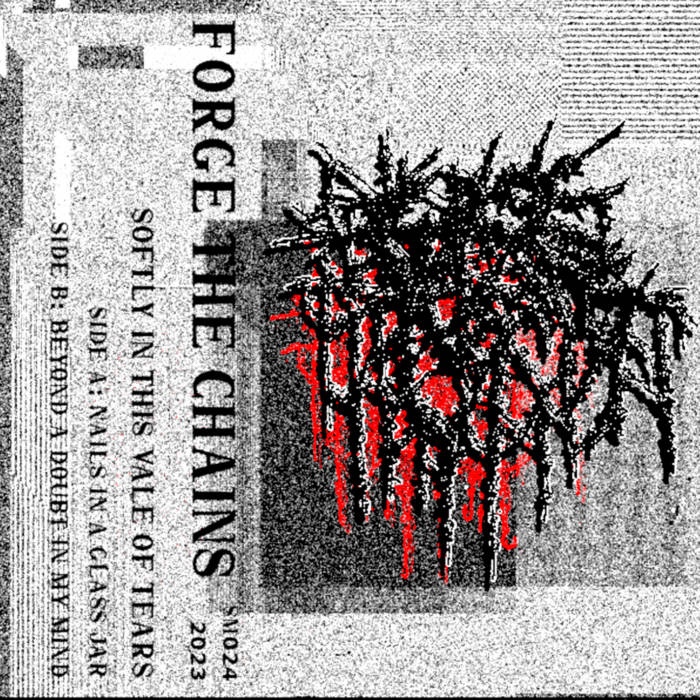
1. Forge Of Tears – Softly In This Vale Of Tears
What’s more excruciating than a razor burn filled with rubbing alcohol and sealed with a gob of crazy glue? Probably two long form tracks of chaotic noise terror by way of Forge of Chains. With no compassion for delicate, tender moments, ‘Softly In This Vale Of Tears’ is thirty minutes of intense discord that is as addictive as it is disturbing. With an unrelenting wall of modulated audial pungency, Forge Of Tears produces a mesmerizing soundscape for a pallet of maniacal indulgence, not letting up from start to finish and only adjusting the molecular structure of things between tracks. At first you may be in disarray by the abrupt jolt of power but you’ll soon find yourself drawn into a world of corrupt audial sequences. This is a magnificent release on many levels.
‘Ice The World’ presents nearly seventy minutes of abstract noise intrusion by way of ambient subtleties, haunting voice recordings and an array of soundscape to catapult this recording to its own unique design. As if being dragged through a vast world of distinct cultures and influences, Grey Windowpane finds a way to gratify all of the senses with a massive kaleidoscope of musical happenings. Presented in four elongated pieces, each track extends a sonic adventure of various themes but ultimate create a fabric of likeness and audial intimacy due to its compelling modulated bonding. This amazing album is the result of obscurity becoming an acceptable criterion of musical bliss.
Now on to something more abrasive, as Thecia emits an angered, repugnant blend of distorted guitars, thick drum beats and destructive vocals in their brand of unrelenting Death Metal. ‘My Sojourn Among The Torturers’ presents three tracks of ripping metal that fuses Black and Death Metal with a tinge of classic Heavy Metal riffing. This mixing is both loudly askew and causticly raw – the only way to listen to metal in my opinion. The songwriting is incredible and they are perfectly lengthened to maintain headbanging integrity without becoming dry and sparse. I’m definitely looking forward to hearing more from this prominent act.
Jonathan Patrick gives us an abridged taste of Americana on his soulful new EP, ‘Open Heart’. Featuring two tracks of heartwarming guitar compositions, I can imagine listening to these out in an early morning Midwest setting, where the Dawn of the sun of slightly obscured by thick fog and towering, natural forestry. These tracks sound new and refreshing while providing a proper callback to acoustic classic rock sounds from the 70’s and 80’s. Two tracks just isn’t enough and my hope is that the next Jonathan Patrick release has at least five hundred tracks on it. All jokes aside, this is simply incredible!
Webb Chapel presents the unparalleled offering, ‘Speeding’, a lo-fi collection of alternative rock arrangements with obvious influences from synthwave, dark pop and electronica genres. This album sounds as if it could have literally been released in 1984. Even with the gnarled production, this entire albums is an addictive listen with impeccable songwriting and masterful musicianship. I could listen to these tracks over and over again without getting bored and as they say, the louder the better! This is a fantastic release that certainly deserves top tier recognition.
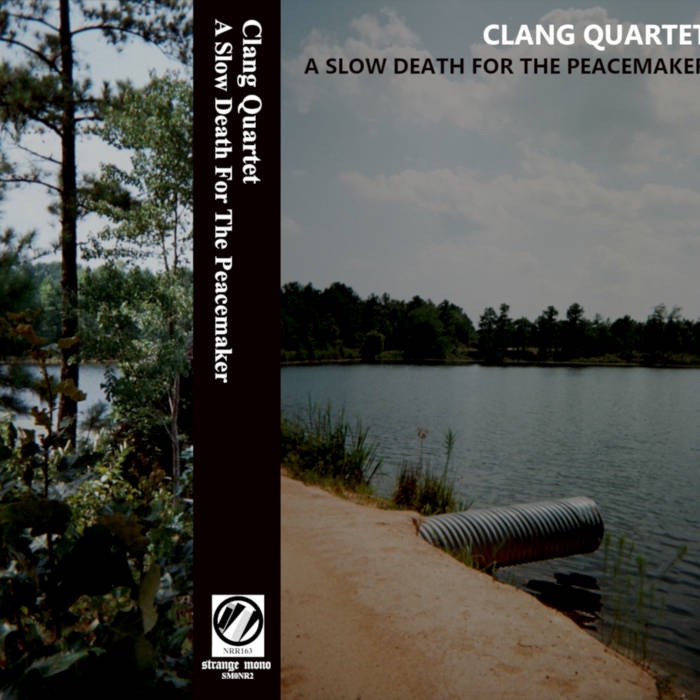
6. Clang Quartet – A Slow Death For The Peacemaker
I’ve only recently crossed paths with the musical endeavors of Clang Quartet, but it’s certainly been a pleasant experience getting to know the output of this artist, the values that he represents and the impactful delivery of the chaotic noise that is consistently presented. On ‘A Slow Death For The Peacemaker’, harsh noises are more conservative and are augmented by spoken word segments and bits of contemporary instrumental parts. That doesn’t mean that there isn’t a sense of pandemonium, because this albums is a breakout achievement for the Noise Ambient genre. In between the more serene parts we can still find a massive wall of industrialized chaos that is hypnotizing as it is war piercing. This is a captivating album that has earned its praise, but demands so much more!
‘Flamingo In Limbo’ is a lighthearted soundtrack of summer rock & pop with a passion for shoegaze and low fidelity tones of the late 80’s. With whimsical instrumentation and jocular lyrics, this is a fun album that can be played and enjoyed on just about any occasion. Adding to the dynamics of these tracks are glitchy samples, hissing loops and slightly distorted melodies that all come clashing together in solid harmony. There are eleven tracks on this album and every single one of them portrays a slightly altered style, but at the same time, is very much an Idiot Mambo manifestation. Whether you need a vibe for a steamy summer drive, or some background music on a gloomy, rainy afternoon, ‘Flamingo In Limbo’ is a sure recommendation in order to facilitate an enlightened mood.
Strange Mono continues to hit it out of the park with their consistent picks of amazing talent and Ruah is no exception. On ‘Ruwa’, Ruah continues to explore an array of genres to compliment the stellar vocal arrangements contained within. At times, they tread down the Darkwave path with gothic influences and undertones, while on some tracks, they emit a heavy Swans influence with repetitive music play and looping vocal deliveries. No matter what they’ve intended to explore, each track is an alluring endeavor that stands on its own while delivering an arcane composition with ominous intent. This album is totally captivating and it’s hypnotic effects will leave a lasting impression on the listener, while demanding repeated listens. Perfect for fans of The Swans, Vaura or 80’s Darkwave!
What do you get when you combine harsh noise with Grindcore and Black Metal aesthetics? You get what’s known as unruly, dystopian cybergrind. As if just having one extreme genre wasn’t enough, Ixian goes all out on the pummeling new EP, ‘Collective Indiscipline’. As deranged as it may sound, there is actually a sense of atmospheric control amongst these tracks, as they provide an overwhelming sense of ominous disarray. Discordant tones and hyperactive drum beats create an onslaught of droll modulations. Although it’s only nineteen minutes in length, a back-to-back listen of all five tracks will have you perspiring an illusive sudor, while your brain continues to scramble in a desperate exodus of audial release. This is a very intriguing album and I would recommend this to fans of all forms of extreme music.
Fugue State presents an upbeat, grungy depiction of old-school punk rock. With reverberated vocals (reminiscent of early Les Claypool), fuzzy guitar tones and audial hisses all over the place, ‘Subtlety’s Dead’ is a proper call back to a time when music was routinely presented in raw form to represent the most jubilant crowds of fractious souls. Even at just sixteen minutes in length, there is enough output here to satisfy the tortured umbra that resides in all of us. This makes for a great driving album, especially when blasting it at loud volumes. Can’t wait to hear more from Fugue State in the near future.
It’s not enough that Chaigidel and Neraterræ have already established themselves as prominent musicians within the Dark Ambient genre, but to come together to produce one of the most daring ritualistic experiences in recent years, is a refreshingly bold statement. ‘Lamaštu’ is not your typical Dark Ambient offering, as it relies less on extended drones and dreamy soundscapes but builds it’s captivating sound around ceremonial instrumentation, haunting vocalizations and eerie nuances that give it a completely bleak listening experience. The eight tracks contained within, will take the listener on a ritualistic journey through barren darkness and meditative atmospherics that will result in the ultimate Dark Ambient listening experience.
This enveloping ritualistic encounter begins with the ceremonial, “Da’at”. Deep, grumbling drones ascend from the silence and embark on a malevolent path for us all to descend upon. A caressing ring from a singing bowl creates a grim encounter and sets the tone for darkened ride through chaotic atmospheres. Layers of drones continue to sway in and out of the mix as the looping soundscapes present a mesmerizing adventure. “A’Arab Zaraq” commences as a soothing but gloomy celestial encounter. However, whisper-like narrations present an inaudible storyline that is complimented by industrialized, harsh ambient tones and textures. As if traveling through an bludgeoned wasteland, this track presents an angst-riddled mission through the psyche, filled with unfathomable implications. About halfway through, haunting vocalizations made by throat singing techniques and mild percussive patterns are introduced, adding more frightening textures to this sinister soundscape. “Entrails Of Souls” begins with theatrical modulations and soft noise field recordings while successfully enriching the sound with ritualistic endeavors. Alluring chants are added in with hypnotizing results while tribal-like percussive patterns can be heard throughout. This track presents a bit more melody than some of the others, but it’s done in high-quality and fits in well with some of the more darker tracks. Next up is the ominous offering, “Mac Benach”. Leaning more toward an industrial ambient experience, this has to be one of the coldest tracks on the album thus far. Deep chants resemble the stark grumbles of heavy machinery and the sound couldn’t be more apocalyptic than this. Bits of frantic noises create moments of chaos as the drones will have you pinned down, unable to move at all. Slight orchestral variants create a horror-like ambience that is normally heard in horror films. There is no turning back, as this tracks continually increases in volume and discord. “Purson” stars with a blissful white noise that resembles the perpetual crashing of ocean waves on soft shores. However, it slowly fuses into a turbulent mix of industrial soundscapes and celestial drones. There is a sense of derangement in this track as clashing samples of heavy machinery and chains perpetuate a chilling picture of complete destruction. “Satariel” commences calmly, with minimalistic drones and hollow tones. As the modulations slowly grown more intense, a barrage of instruments and harsh samples begin to take shape, presenting an isolated vibe buried deep in the trenches of ritualistic voids. Even as the music remains embellishing, deep throat-singing chants fuses seamlessly, producing a stellar ceremonial tone. “Eloi Eloi Lama Sabacatni” is the shortest track on the album at a little over three and a half minutes long. Not a filler by any means, it uses cold winds, chants and industrialized noises in a molecular way to promptly lead into the final track, “Malkuth”. Beginning with cosmic drones and eerie soundscapes, this is the beginning of the end for this completely satisfying ritualistic endeavor. Reverberate narrations and ethereal ambient textures create an undefined space of dreary awareness. As pulsating drums get louder, unhinged white noise crescendos in unison, producing a blasphemous breadth of chilling sounds. Although this track builds and ends abruptly, it supremely represents closure for this ethereal listening journey.
Chaigidel and Neraterræ have done an amazing job of creating an ambient album that incorporates elements of Industrial Ambient, Ritualistic and Dark Ambient, intertwining them all into a chaotic but controlled sonic environment. ‘Lamaštu’ is the ultimate soundtrack for ceremonial destruction or life in a dystopian universe filled with possessed heavy machinery in endless industrial wastelands. Every track is masterfully pieced together to provide ups and downs, sensations of calmness and fear, as well as a sense of involuntary meditation. I can’t recommend this one enough so click on the link below and enjoy this truly compelling Dark Ambient album.
Please Like/Follow my blog so that you’ll get first hand updates every time I post a review. Thanks for visiting the Dungeon!!
As I continue my lifelong descent into the abysmal territories of obscure music, I never cease to be amazed at the gems that perpetually cross my path. Despite the genre, if it goes against the grain of normalcy and wide-spread acceptance, there’s a good chance that it will resonate with me in the most appreciative of ways. An artist that I recently came across, continues that endeavor with their multi-genre blend of darkened modulations. Hours Of Worship successfully integrate the likes of Darkwave, Goth, Shoegaze, Dungeon Synth and just about everything in between and beyond. On their latest endeavor, ‘Death & Dying, Vol. I’, we find an obscure journey through dismal happiness and bleak soundscapes. Containing six tracks of melancholic, lo-fi entanglements, it’s safe to say that the listener will be transported to a retrospective era where dark music matched the atmosphere of more contemplative times.
From the very first note of a somber piano chop, to the vibrant ambience that soon ensures, “Loyal To Misery” immediately takes us back to a gothic landscape where the color gray was as vibrant as the sun and surrounding activities seemed to take shape in slow motion. As this scenery evolves, haunting vocals begin to croon while dreamy instrumentations build a lethargic wall of sound. Although completely bleak, there is something peaceful about this track that will sooth even the darkest of souls. “Forgotten Like The Cross” commences with a Dungeon Synth vibe as ominous keys play elongated notes, while synth leads emit a Medieval vibe. Monotonous vocals add another layer of dreariness and it seems purposefully mixed lower than some of the instrumental parts, extending the eerie expulsions of the overall sound. However, during the chorus, the vocals stand out with a full on gothic-style onslaught. “Smoke Yourself To Sleep” is a more traditionally arranged piece with an alluring amount of harmony. The addition of celestial ambience and deep synth grumbles produces a unique sound, making this one of the standout tracks on the album. A guitar riff can be slightly heard amongst the other instruments but plays a relevant part in the overall delivery of this amazing song. “Blood On Stone” slows things down a bit with its sludgy tempo and discordant harmonies. A lot of focus is put on the vocals, include the heavy reverberations during the chorus sections. This track would be the perfect example of a Darkwave ballad due to its slow, soulful arrangement, combined with the ghastly, harmonizing vocals. “Torn Like Lace” forges ahead in this underground path to renaissance-like emotions with a surprisingly uplifting melody arrangement mixed with impassioned vocals that range between deep, guttural narrations to near falsetto croonings. The medieval, battle-like drum fills near the end is a welcomed edition to this already serene track. The final song on the album is “The Eggs Of Melancholy”. At just over seven minutes, this is the longest offering on the album and it superbly brings this prodigious album to a close with Black Metal-styled screams, reverberated instrumentations, and a slow, galloping tempo that allows everything to come together in unison. Synth leads stand out as they deliver loud, grandiose modulations during the chorus parts. The vocals are mostly sung with deep resonance while an assortment of instruments deliver a minimalistic landscape of darkness and passion for retrospective surroundings. As the song draws to an end, it takes a dark turn to a more evil vibe and then suddenly concludes at sinister depths.
Hours Of Worship have only been around a few years but I believe they’ve found their niche in the Darkwave genre. They’ve also managed to challenge the norm by including other genres such as Dungeon Synth, Synthwave and Shoegaze to name a few. On their latest offering, ‘Death & Dying, Vol.I’, they continue to showcase their musical talent while expanding their catalog of consistent releases. Even if you’re new to this project, this album is the perfect introduction to what they have to offer. Click on the link below to check out this bewildering album and support the blissful existence of Hours Of Worship.
Please Like/Follow my blog so that you’ll get first hand updates every time I post a review. Thanks for visiting the Dungeon!!
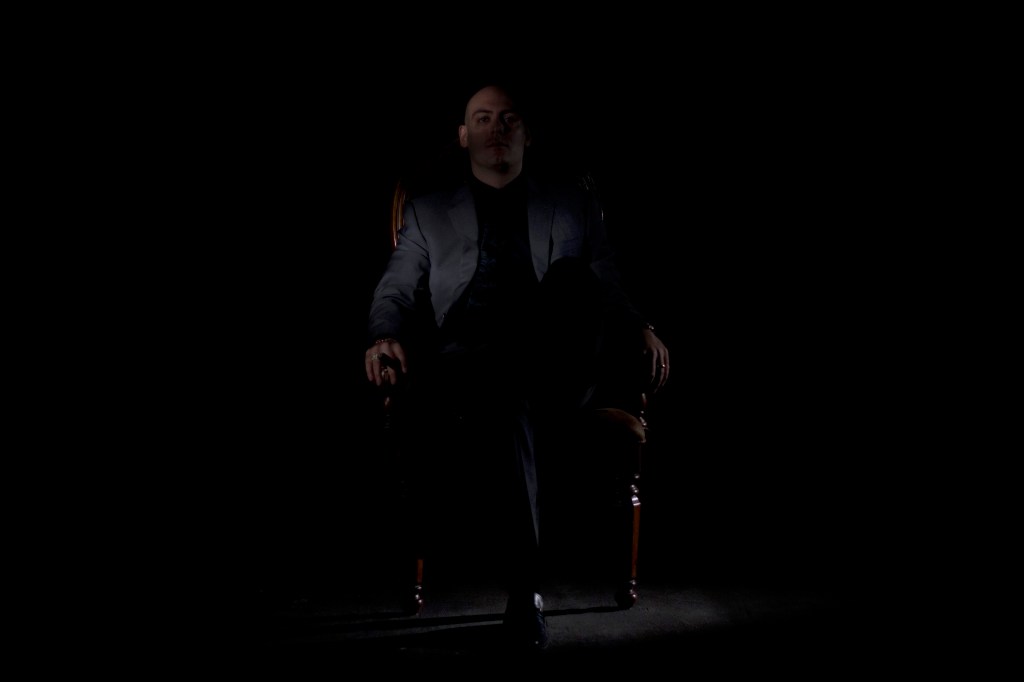
The Cryo Chamber label is home to quite a few of my favorite Dark Ambient artists and collectively, they have produced some of the most unique and cinematic music ever created. One artists that has called Cryo Chamber home since 2016 is God Body Disconnect. Fresh off the release of his most recent album, ‘The Weight Of Regression’, GBD has produced eight amazing albums for the heavyweight label that features an array of fascinating soundscapes, as well as his signature spoken word narrations that make his music instantly identifiable. I recently had a chance to catch up with the ambiguously talented producer to discuss his musical endeavors, past musical ventures as well as what the future has in store. Please enjoy this interview with the brilliant God Body Disconnect!!
1. Thank you so much for taking the time to answer a few questions. First, I’d like to say congratulations on the new release. ‘The Weight Of Regression’ is a phenomenal album that finds you heading in a slightly new direction. Was this a gradual progression for you?
Thank you I really appreciate that. I don’t consider it a new direction. Each album has its own flavor, but the overall themes are consistent amongst them. I’m still writing the same emotional, personal music as I’ve always done. Possibly my production or techniques have gotten a bit better, but I feel that’s a natural progression for an artist from album to album.
2. This album is almost 80 minutes long. Did you plan on releasing so much material at once?
It’s not something I planned on. In fact I don’t do much pre-planning when I produce an album. The writing process is a personal journey for me. I create everything in order from beginning to end. Similar to how an author would write a novel, chapter by chapter. It just happened that this journey took longer to get to the end.
3. In my opinion, this is your strongest release since ‘The Mist Between Mirrors’ (2019). How would you rank this album in your own discography?
Each album is equally important to me. I consider them all as an emotional blueprint of my own personal journeys and development.
4. How do you approach the process of creating new music? Is there a particular method or routine you follow?
I have to feel some kind of inspiration inside to be able to write. I don’t know what that inspiration is or where it comes from, but it has no specific timeline. I don’t force anything. When it hits, I’ll feel compelled to start another journey. I’ll just sit down and begin to play. Whatever comes out comes out. Of course there are many trials and errors, not everything I write is quality enough to be on an album. But once I find the starting path, I’ll continue on it until I feel the journey is complete.
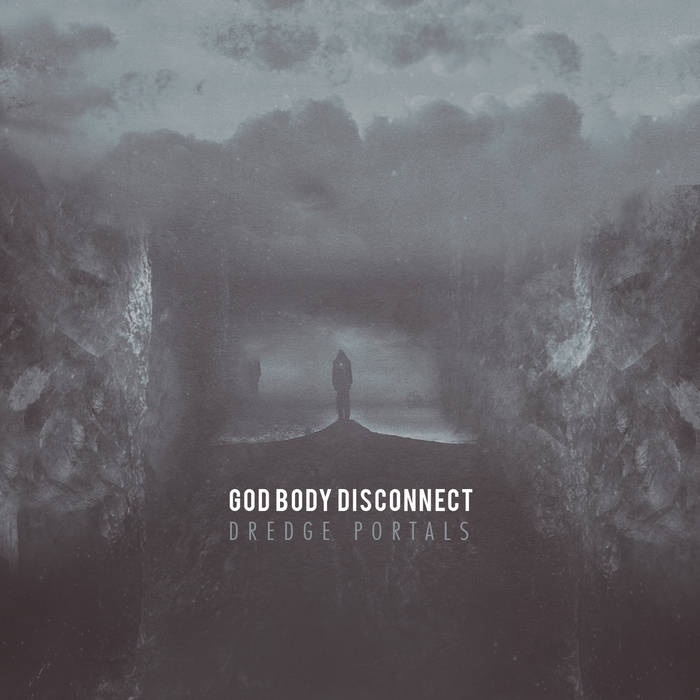
5. Let’s go back in time a little bit. Your first album with Cryo Chamber was 2016’s ‘Dredge Portals’. Before that, were you involved with any other musical ventures?
Yes, I was in 2 death metal bands in the late 90’s-early 2000’s. Cadaverment was the first, which then turned into Dripping, the latter being the more well known project. On Dripping’s debut album I played: drums/percussion, did guttural vocals, spoken word vocals, wrote the lyrics, and co-wrote the arrangement and creation of the music. We decided to breakup in 2001 while recording the album.
6. Have you had any desires to return to Metal at some point or is Dark Ambient your true calling as an artist?
As far as Cadaverment or Dripping goes no, those bands are both RIP. I still practice death metal style drums on my own to keep up my chops, but for now I don’t have any plans for future metal projects. I’m so busy and having fun with GBD/USO, that I don’t really have the interest in doing something in the metal genre. But, at the same time I hate to say never, so only time will tell.
7. How did you come up with the name God Body Disconnect?
One day at work I experienced an episode of psychosis. While I was hallucinating visually and audibly, I saw a god-like figure that I was connected to by something similar to an umbilical cord. The figure then looked at me in an intimidating way, and severed the connection between us. While I slowly floated away into the darkness, I then heard the words God Body Disconnect spoken to me. I was initially terrified to use the name, given the circumstances it came to me. But, I eventually took it as a sign that it must be used.
8. What initially drew you to music and inspired you to become a musician?
As a young child I already had the hunger for listening to music. I enjoyed the variety of sounds I was exposed to. I liked how certain music I’d hear on the radio or in movies would make me feel inside, and move me emotionally. As far as being a musician I started off on drums at around 17. By 20-21 yrs old I was already on a label with Dripping and playing shows. After we disbanded, I played in a few personal projects with close friends, and we kept the recordings just for us. It wasn’t till around 2013-2014 I decided to create my own music. This was the beginning of what has now morphed into GBD.
9. Are there any specific artists or bands who have influenced your musical style or sound?
I can’t name any specific artists or styles that directly influenced GBD, but I’ve always enjoyed different genres of music. I started off with underground rap mix tapes around 9 yrs old. Then a few years later I moved into metal, which eventually turned into a taste for death and black metal. I’m also a fan of jazz/fusion, shoegaze, 80’s pop and of course ambient. I think I can find something I’m drawn to in almost every genre.
10. Have you ever had to overcome any significant obstacles or setbacks in your musical journey?
When I started to make music on my own, I was only proficient at drums. I had to learn how to play other instruments and produce from the ground up. I’ve never had any formal training or lessons, but I was determined to make music that moved me inside. Eventually I found my lane, and I still continue traveling on it today.
11. One thing that is unique amongst your albums are the short spoken word pieces. In a genre that is mostly instrumental, what led to the decision to include these spoken word bits?
I’ve been performing spoken word pieces since the Dripping debut album, which is close to 25 years ago. Back then I was reciting poetry mixed with a bit of storytelling. With GBD my spoken word pieces are very personal. They aren’t well planned out pieces, but rather late night recordings of my real thoughts and feelings. It’s basically a conversation with my inner self. I’m not sure what drove me to start doing spoken word in music, but I’ve always had a love for monologues in movies. Maybe the spark started from there.
12. Have you ever thought about releasing a book of poetry or a fictional (or non-fiction for that matter) story at some point?
That’s an interesting question, because one of my friends actually asked me that same thing last week. I’ve thought about it some, but it would have to be either poetry or short stories. I don’t have the patience to sit and write a full novel. If I get around to it, maybe it could be something that’s narrated by me as well, similar to audible.
13. If I’m not mistaking, 2020’s ‘The Depths Of Finality’ and 2021’s ‘The Wander’s Dream’ didn’t contain any spoken word elements at all. Was this a conscious decision or did it not fit into your creative space at the time?
During “TheDepths of Finality” I was struggling with a serious bone infection in my jaw. It began spreading to the ears and quickly was on the path to the brain. I was hospitalized a few times and on very powerful IV antibiotics for months. Eventually my body began to reject the antibiotics, and mimicked symptoms of serious mobility diseases. It was a very unpredictable time for me, and I prepared myself for the end. When writing the album I did not have the inspiration or will to speak on recording. The album was meant as a musical letter to myself preparing for and accepting death. “The Wanderer’s Dream” was written during a time when I finally was able to accept that I had been suffering for years with severe mental illness. I had been pushing the illnesses and symptoms off as hard as I could since I was a very young child. I desperately tried everything to stay sane and deny what was really going on. I had been living in a foggy dreamlike state for years. “The Wanderer’s Dream” is an album about trying to find myself and acceptance. The music’s delicate nature was also meant to soothe myself after wandering for so long. Sometimes words aren’t needed.
14. Can you describe the emotions or feelings you hope to evoke in your listeners through your music?
I actually don’t intentionally try to influence the listener in any particular way. The music I create is self-therapy for myself. They are cryptic, cathartic pieces meant for me to decipher the feelings I have inside. It’s also a place for me to disappear in when life becomes too difficult. I don’t believe it’s my role to influence a listener to feel a certain way. That is solely up to them. Over the years I’ve heard from many wonderful people that relate to my music on a deep emotional level. I’m grateful to have that human to human connection, whether they are following along on my journey or their own personal journeys.
15. What role do you think music plays in society, and why is it important?
Music is life’s blood for me. I know there are a lot of others out there that feel the same way. It can give people hope, when they see none. It can inspire people to totally change their lives for the better. A particular album can make people feel like they aren’t alone, and help them get through difficult times. Music is a very powerful conduit to the heart and soul. That goes for all types of music, not just dark ambient.
16. What are some albums (any genre) that resonates with you on a personal level?
I love so many albums, but I’ll try to keep it short.
Allan Holdsworth-Hard Hat Area
This was the breakthrough album that sparked my love for jazz/fusion. As a drummer, it opened up a whole new world for what could be done on the skins.
Have a Nice Life-Deathconciousness
Before this album I never thought it was possible to make music on your own without going to a pro studio. It gave me the inspiration and confidence to start.
Group Home-Livin’ Proof
The beats are by the legendary DJ Premier, and the lyrics tell a story of striving through hard times. This album is very inspiring when life gets difficult.
Tears for Fears- Songs from the Big Chair
As a child from the 80’s this album brings back so much nostalgia for me. The lyrics are quite personal as well and deeply resonate with me. Plus, who doesn’t love “Everybody wants to rule the world”?
Iron Maiden-Somewhere in Time
This was the very first metal album I purchased. I got it on cassette at the time so there is definitely nostalgia there. But more importantly, it started my journey in metal.
17. Are there any collaborations or musical projects you plan on pursuing in the future?
I’m always working on something these days. Par and I are beginning our experiments again for another USO album. I’m also toying with some new GBD ideas, trying to find the path. I’m starting to write poetry and short stories again. I try to keep my mind busy with different projects.
18. Speaking of collaborations, back in 2018 you participated on the ‘Miles To Midnight’ album with Atrium Carceri and Cities Last Broadcast. For me, that was a breakthrough album that showed how Dark Ambient can expand into Dark Noir Jazz and beyond. How did that album (and theme) come about?
Thank you, I love that album to death. I framed the vinyl and it hangs right next to my studio setup. We all had a mutual love for jazz, and dark noir movies/stories so it kind of came together naturally as friends trying to explore what we could do. All 3 of us collectively built that album from the ground up. I believe it took us only 2 months from beginning to the end, including Simon’s mastering and artwork. It was one magical summer where all the stars aligned. I’m confident we’ll have a follow up.
19. I want to thank you once again for this opportunity to talk about all things God Body Disconnect. Do you have any final thoughts for those that will be reading this interview?
It was my pleasure, thank you for the opportunity. I really appreciate you giving me the time to express myself on your forum. I also want to give a huge thanks to Cryo Chamber for standing by me and always supporting my vision. And a big thank you to all the fans that continue to listen.
Avant Music News web zine, Enclosure Three radio program, The Dungeon In Deep Space blog, This Is Darkness webzine, Horae Obscura podcast, CITR 101.9 FM, Spectrasonicsound podcast, Paul Casey, Elysian Fields radio program, Ambientblog.net, Raffaele Pezzella, Eighth Tower Records, is proud to announce the International dark experimental music Awards “IDIL” (In Darkness Is Light) 2023/24.
The IDIL Awards is dedicated to all forms of experimental music in its “dark” declination and promotes the innovation and research in the field of dark electronics and dark electroacoustic music.
15 tracks among all the ones submitted will be selected and included in a compilation to be digitally published by Eighth Tower Records within February 2024 (https://eighthtowerrecords.bandcamp.com). An international jury composed by radio djs, podcasters, reviewers, will assign a score to every track determining the winners of the prizes below:
Prize for the 1st classified project: € 200,00 + a full special on the magazine;
Prize for the 2nd classified project: € 100,00 + a full special on the magazine;
Prize for the 3rd classified project: 1 year free subscription to the Eighth Tower magazine + a full special on the magazine;
Prize for the 4th classified project: 6 months free subscription to the Eighth Tower magazine + a full special on the magazine;
Prize for the 5th classified project: 3 months free subscription to the Eighth Tower magazine + a full special on the magazine.
All tracks will be played in the Unexplained Sounds streaming radio program and all radios programs of the circuit.
Participation Guidelines:
submissions of a single track for each project (maximum 8 minutes, .wav or .flac format)
tracks must be unpublished and exclusive made for the compilation mentioned above; – it’s requested a bio and a description of the project;
links to video and visual material will be welcomed;
multiple projects from the same person won’t be allowed;
track submission via link to Wetransfer, Google or similar transfer services (no Dropbox);
deadline December, 31, 2023.
Preliminary condition to participate:
to be subscribed at least for 2 months to the Eighth Tower magazine (tier Apprentice Supporter or upper tier):
Dj SpaceTerrapin – Enclosure Three radio program (Germany)
David Loveless -The Dungeon In Deep Space blog (US)
Rich Dodgin – This Is Darkness webzine (US)
Bram Hagers – Horae Obscura podcast (Belgium)
Bepi Crespan – CITR 101.9FM (Vancouver, Canada)
David Warmbier – Spectrasonicsound podcast (UK)
Paul Casey – Independent reviewer (UK)
Dominic Castelli – Elysian Fields radio program (US)
Peter Van Cooten – Ambientblog (Netherlands)
Anyone who would like to support the “In Darkness Is Light Awards” to grow and increase the amount of prizes in time, can donate here: paypal.me/usggroup
Eighth Tower Magazine is part of UNEXPLAINED SOUNDS (network of aural disorientation). Corso Secondigliano 94, Napoli, 80144 Napoli, Italy. https://unexplainedsoundsgroup.bandcamp.com
Music is one of the greatest escapes to ever exist. Time and time again, we hear of how music has helped so many cope with trauma, stress, bitterness or even act as an coping mechanism for great other achievements such as meditation, escape from reality or even provide a sense of clarity as background noise. Whatever the case may be, it’s hard to deny that music is the heart of darkness, strength and enlightenment. Specifically with Dark Ambient music (and it’s many sub-genres), there is a sense of departure from normal absoluteness, as listeners tend to descend into a world where it all makes sense. Depending on the listeners emotional state, results may vary but will ultimately be rewarding. The latest offering by the collaborative efforts of Maud The Moth and Trajedesaliva, ‘Bordano El Manto Terrestre’ presents such an endeavor with its haunting vocals, dissonant synths and euphoric spoken word narrations. Loosely translated as ‘Embroidering The Terrestrial Mantle’, this albums melancholic approach to elegant songwriting produces a mesmerizing atmosphere of chaotic harmonies and opulent vocals, resulting in a desirable album of moody textures and addictive modulations.
Immediately setting a melancholic vibe, lead off track, “Perdí Pie” emits a hint of nostalgia as attuned synth leads explode with elongated notes of discordant radiance. Operatic vocals provide a chilling atmosphere as this gloomy intonation gives off a hypnotizing result. Toward the end, a soothing spoken word bit continues to tranquilize in a foreign tongue, but delivers a message that can be felt despite its enigmatic delivery. “Jardincito De Rosa y Tierra” has a slight ritualistic intro, with regards to the atmospheric instrumentation. However, after a brief engagement haunting vocal melodies and incandescent synth arrangements soar loud and boldly as if reaching a climactic musical conclusion. The divergent harmonies in this track are captivating and represent a musical theme throughout the remainder of the album. “Habitantes Del Desgarro” commences with clean, somber modulations, while the sounds of nature cry out in the background. A distorted tone is introduced, building upon layers of dissonance while ascending vocal melodies establish a sense of chaotic beauty. Although these sounds collaborate with inharmonious effort, the intense output of strident textures combine with astounding plangency. “Cuerpo De Gato” fades in slowly with haunting layers of synths and obscure sound effects in the background. As the synth tones begin to shrill, more spoken word comes into play and fuses well with the arrangement. There is an underlying melody that is so soothing, you’ll want to replay this song several times just to enjoy its subdued nature. “Fruta Alrededor De Una Vela” begins with a synthwave pattern that will have you reminiscing classic synth styles from decades past. After a short spoken word piece, a beautiful vocal induces a tranquillizing effect while elongated keys drone belligerently. A circling of flys (or bees) can be heard during a short instrumental break before the synthwave patterns and layered vocal harmonies pick back up in a surreal combination that is equally mesmerizing and dubious. This is my favorite track on the album and I could listen to it over and over again without it growing old or complacent. “Perla” is an alluring offering with winsome guitar tones and glamorous vocals that are arranged similar to the lush sounds of the shoegaze genre. Synth notes continue to pile on in unison, producing a shrouding tone of hazy (but angelic) proportions. “Círculo Roto” offers a Dark Ambient styled intro in conjunction with a whispering, spoken word narrations before layers of nostalgic synth effects arbitrarily find a synchronized sequence in which to emit a unified tone. This is one of the darkest tracks on the album, but fits right in with its asymmetric delivery. The final track is “Hilos De Fantasía”. Immediately commencing with a succession of unharmonized keys, they essentially create a chaotic blend of glistening synth notes and random modulations that again, sound amazingly abstract and powerful. There are random patterns of percussive beats and screeching soundscapes that create a wonderful closing to this ambitious album.
Maud The Moth and Trajedesaliva are two amazing artists and are able to combine their crafts in a wonderfully disharmonic effort to produce some absolutely bewildering music. From obscure synth tones and perplexing melodies to angelic – operatic-like – vocals and soothing spoken word narrations, they have put their best efforts forward on ‘Bordando El Manto Terrestre’. At just under forty minutes, this album offers a variety of cacophonous sounds and vocal patterns to entertain endlessly. This is one of my favorite albums right now and I can’t recommend it enough. Click on the link below and experience this uniquely crafted album that combines the best of multiple genres.
Please Like/Follow my blog so that you’ll get first hand updates every time I post a review. Thanks for visiting the Dungeon!!
It’s such a refreshing experience when, out of the blue, a new artist is introduced to the scene and hits it out the park on their debut release. ‘Shadow Realm: A Dungeon Synth Mixtape’ is the album in question by the searing duo known as Dreadwood Prophecies. Donning skeletal masks and cloaks of black, this team emits a compulsory sound of synth wizardry and includes a variety of genres to produce their own unique Dungeon Synth experience. Over the course of ten riveting tracks, we get to encounter fantastical realms of nostalgia through lo-fi synth effects and mesmerizing songwriting. At just thirty six minutes in length, this short album packs quite a punch with an assortment of tones, styles and memorable songs.
Catapulting us into a sphere of dark enchantment is the vivacious album opener, “The Evil Wizard Is Ruining The Town With His Bullsh*t”. Quirky song title aside, this is a momentous beginning with fantasy synth vibes and angelic keys, albeit amongst obscure harmonies and nostalgic tones. Up next is the ominously textured, “The Great Unraveling”. As if it were accompanying an enthralling dream, these peculiar sounds transcend the lo-fi production qualities with its flow into other territories such as Berlin School and synthwave. At just over two and a half minutes, this short intonation delivers a wondrous endeavor of anxious cadences and memorable melodies. “The Wonderer” commences with a fast paced synth chop and melodic, acoustic guitar tones. The first of my top three favorite tracks on the album, this one is on another level with its shifting choice of melodies and masterful songwriting. As each section continues to build each time around, you can’t help but to succumb to a world of psychedelic mischief and dreamy horizons. “Somber Longing” is a steady Dungeon Synth offering that achieves a bleak ambience through heartfelt harmonies and serene instrumentation. The overall alluring tone is mesmerizing and continuously draws the listener in with its hypnotic arrangement. The second of my top three tracks is “Into The Abyss”. Beginning with a funereal, celestial tone, a beat slowly forms, creating a haunting atmosphere. Soothing keys come into play and are again joined by a steady drum beat. Various degrees of synth effects add to the mix as drum patterns come and go with surprising effect. As darkness continues to enshroud, this track never ceases to build, adding an array of synths that are addictive and demand repeated listens. “Swamp Journey” presents a snug little canticle that is part whimsical and part quixotic with a sound that glistens with pleasant inflection. Natural sounds in the background elicit a peaceful environment, rich with enjoyment and elation. “Lost Echoes” is another fascinating experience that evokes a melancholic tone with jubilant percussive parts and spiritualistic ambience that supremely fills the background space. Mollifying synth leads produce a mournful fervor with its rhythmic patterns and enchanting harmonies. The third of of my top three tracks is “Dark Ritual”. The layers of music has a hypnotizing effect due to the combination of sonic bass textures and assortment of synth leads. In between, the experience of elongated keys creates a soothing balance that properly fuses all of these elements into a single, massively sounding song. “Patient Montage” is an introspective creation that combines soft guitar strums with resilient synth leads, producing an enigmatic track that is enriched with colorful modulations and exquisite tones that clear and bright. The fitting, final track on the album is, “Death Of A King”. The initial riff is like a Medieval epilogue, emitting a sense of reprieve with its upbeat – almost comfy synth-esque – arrangement and alluring vibe that concludes with a refreshing sensibility.
Dreadwood Prophecies are an amazing project that embodies all that Dungeon Synth has to offer. Eagerly willing to take chances on a cluster of sounds and styles, they’ve easily come up with a unique approach that they can call their own. Whether it’s Medieval influenced or ventures into synthwave or Berlin School, ‘Shadow Realms: A Dungeon Synth Mixtape’ is a refreshing experience with endless replay value. If you’ve not heard this album yet, you’re missing out on one of the genres album of the year contenders. Click on the link below and prepare to enter an audial realm that demands to be experienced.
Please Like/Follow my blog so that you’ll get first hand updates every time I post a review. Thanks for visiting the Dungeon!!














 Dungeon Synth & Dark Ambient Reviews!!